UK Economy Under Pressure After Starmer Resigns
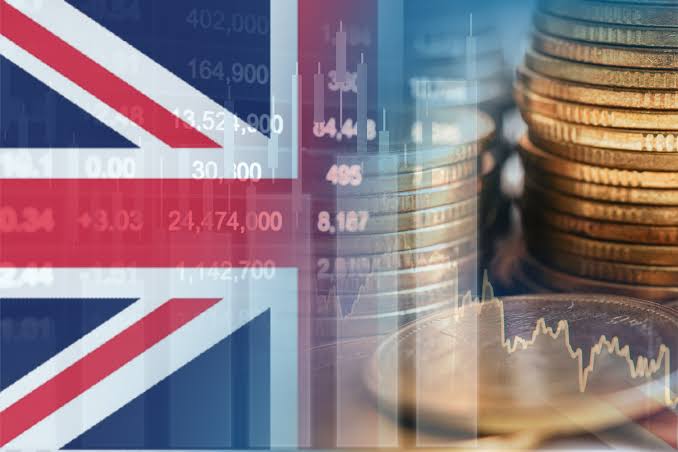
The UK economy showed signs of weakness again in June 2026, after a private sector survey showed business activity contracted for the second consecutive month. The S&P Global Purchasing Managers' Index (PMI), released on Tuesday (June 23rd), fell to 49.4 in its preliminary estimate, lower than 49.7 in May. A reading below 50 indicates contraction, suggesting the UK economy is losing steam after strong growth earlier in the year.
This weakening further heightens concerns that UK economic output could stagnate in the second quarter of 2026. This is a setback after the UK previously recorded the fastest growth among G7 countries in the first quarter. However, that momentum appears difficult to maintain as businesses begin to hold back on expansion, demand weakens, and geopolitical pressures from the Middle East conflict continue to weigh on operating costs.
The labor market is also a major concern. The employment sub-index in the S&P survey remains in negative territory and has weakened for 21 consecutive months. In June, the index fell to 46.8 from 47.1 the previous month. This indicates that more companies are reducing their workforce or delaying new hiring. This situation presents an additional challenge for the Labour Party, which previously promised economic growth and improved welfare when it won the 2024 election.
The weakening economic situation comes amid major political changes in the UK. Prime Minister Keir Starmer has announced his resignation, so the government will try to rebuild market confidence under a new leader. However, this task will be difficult, as the next leader must face a combination of slow growth, rising unemployment, limited fiscal space, and persistent inflationary pressures.
Although input costs and selling prices are still rising, the rate of increase is easing. S&P Global assesses that some of the price pressures caused by the economic downturn are beginning to ease. However, weak growth and the labor market indicate that domestic demand remains fragile. If this situation persists, the Bank of England could face a dilemma: keeping inflation under control while simultaneously avoiding further economic pressure. Currently, the latest PMI data signals that the UK economy is entering a more challenging phase and requires political stability and clearer economic policies. (arl)
Source: Newsmaker.id