
Trending
Nikkei
Source: Newsmaker.id
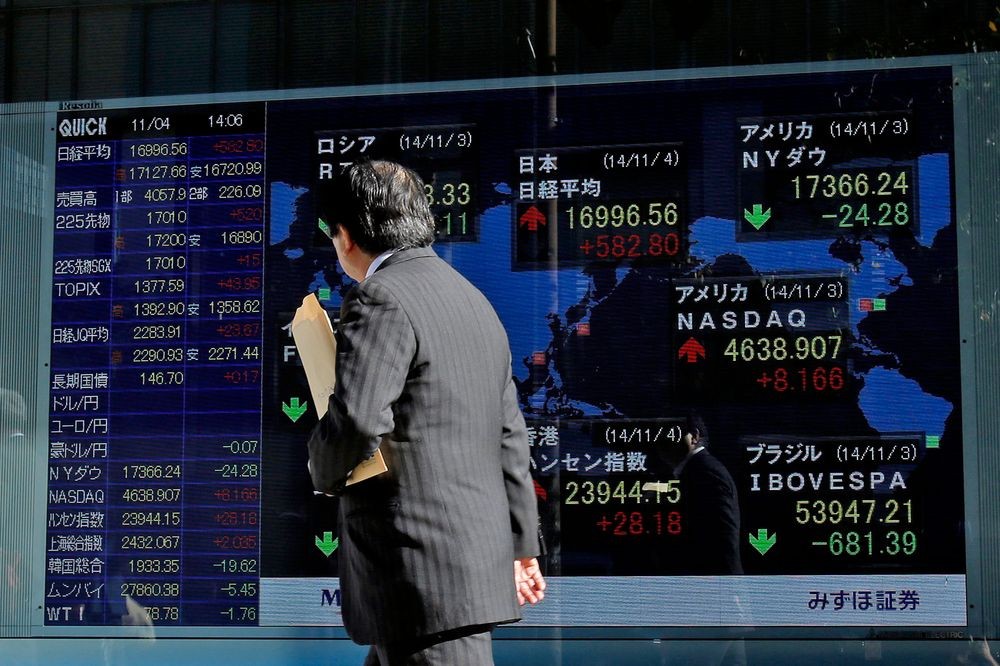
Japan’s Nikkei 225 index surged more than 2% in Tuesday’s trading session (November 10, 2026), breaking back above the psychological 60,000 level and extending gains for the second consecutive session. The rise followed a strong rally on Wall Street, where U.S. semiconductor stocks began to recover from a sharp sell-off the previous week. Improving sentiment toward the technology sector prompted investors to return to Japanese companies linked to the artificial intelligence (AI) industry, further bolstering the recovery momentum in Japan’s stock market.
The Nikkei’s strength comes as concerns regarding the outlook for the AI industry have begun to subside. Previously, a major victory for the Democratic Party in the U.S. midterm elections had fueled speculation that regulatory oversight of tech companies would tighten—particularly concerning investments in data centers and the development of AI infrastructure—triggering a massive sell-off in global tech stocks. However, the rebound in semiconductor stocks on Wall Street has signaled a restoration of investor confidence. Market participants are now awaiting the financial results of cloud computing infrastructure provider CoreWeave for fresh insights into demand and investment trends within the AI industry.
The gains in the Japanese stock market were driven primarily by companies associated with the semiconductor and technology sectors. Shares of Kioxia Holdings jumped 6.9%, Advantest rose 5.3%, and Tokyo Electron climbed 5.8%. SoftBank Group saw the most significant gain, surging 11.9%—a reflection of growing investor interest in companies with substantial exposure to AI development. These movements underscore that the technology sector remains the primary driver of the Nikkei index, especially as sentiment regarding the global outlook for AI investment begins to improve.
Beyond technology stocks, the financial sector also provided support for the index’s rise. Shares of Mitsubishi UFJ Financial Group rose 3.4%, while Mizuho Financial Group climbed 4.4%. The gains in banking stocks helped broaden the market rally, ensuring that the Nikkei’s ascent was not solely dependent on the semiconductor sector. Nevertheless, investors remain focused on developments regarding the Bank of Japan’s (BoJ) monetary policy—specifically, expectations for an interest rate hike in December. Such a policy shift could potentially impact corporate funding costs, the movement of the yen, and the profit outlook for both the banking sector and Japanese exporters.