Hong Kong Stocks Close Lower Amid Lack of Clarity on Ending War
Mainland Chinese and Hong Kong stocks closed lower on Thursday (April 2nd) after investor sentiment soured following a speech by US President Donald Trump that failed to provide a definitive timetable for ending the Iran war. Trump said the US military had nearly achieved its objectives in Iran, but emphasized that operations against targets in the Islamic Republic would continue for the next two to three weeks.
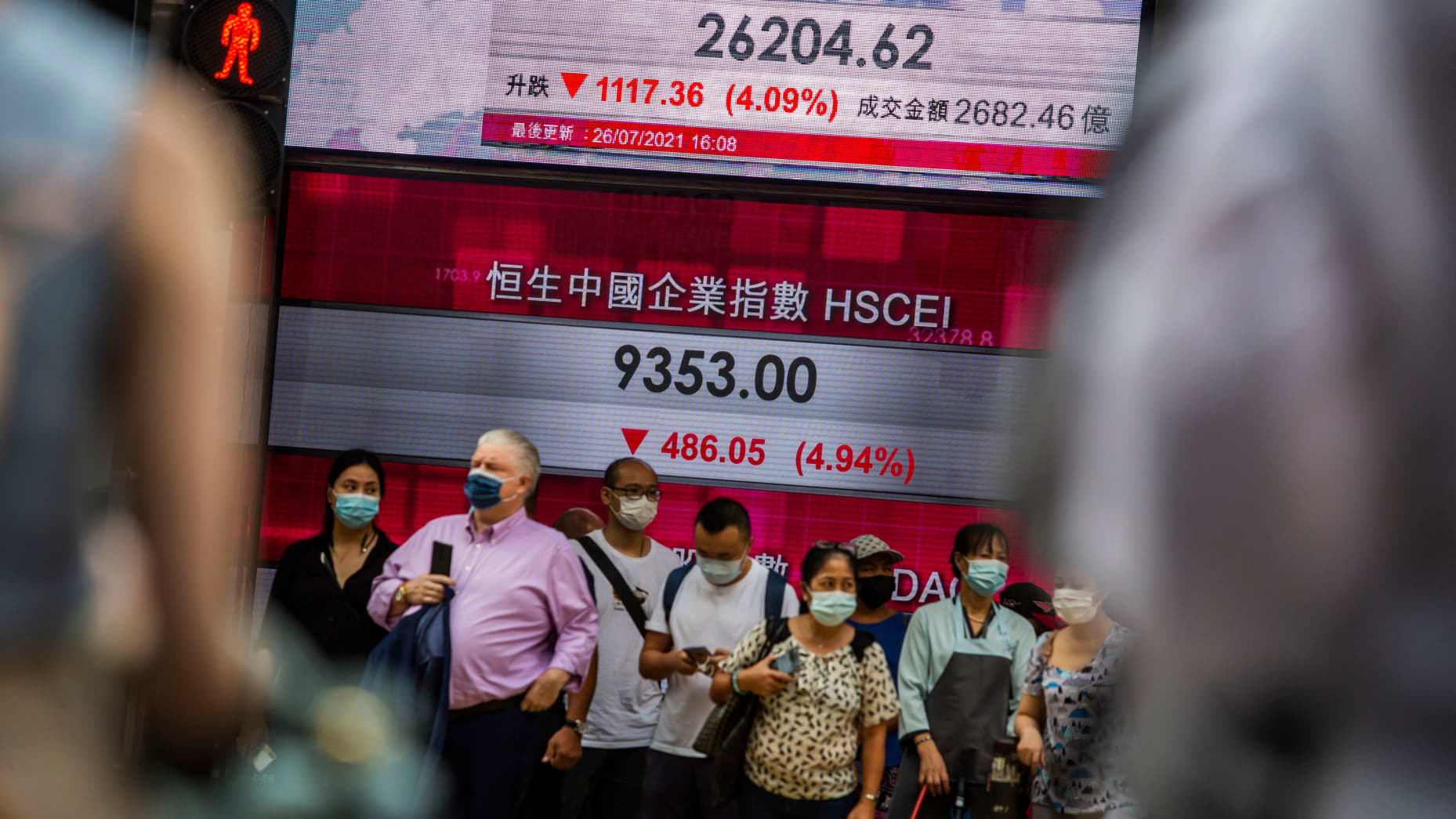
At the close of trading, the Shanghai Composite Index fell 0.74%, while the CSI300 fell 1.04%. In Hong Kong, the Hang Seng Index fell 0.7%, while technology stocks experienced greater pressure, with the related index falling 1.63%. Semiconductor stocks were among the main losers after Trump's comments dampened risk appetite, with sub-indices for that sector falling 3.1% and 2.24%, respectively.
The market believes the main focus is no longer just political rhetoric, but rather when the Strait of Hormuz can actually be reopened. This uncertainty has fueled concerns that energy supply disruptions could persist, especially after Trump also threatened to attack Iranian power plants if no deal is reached. Oil prices surged more than US$5 on Thursday, pushing the CSI300 Energy Index up 1.97% and becoming one of the market's outperforming sectors.
The impact of the war is beginning to spread to the real sector. Several Chinese airlines, including Air China, announced they would increase domestic fuel surcharges starting April 5, as jet fuel prices rose due to the Iran conflict. However, the Chinese market is considered relatively calm compared to other regional markets, supported by the perception that Beijing is better prepared to deal with energy shocks.
Cause: The market weakness was triggered by the lack of certainty regarding the end of the Iran war, the continued threat of escalation from the US, and concerns that the Strait of Hormuz will not return to normal soon, thus maintaining high energy supply risks.
Impact: Risk-off pressures drove down technology and semiconductor stocks, while the energy sector strengthened due to soaring oil prices. Rising energy costs are also starting to be passed on to consumers, including through airline surcharges, reinforcing the conflict's transmission to inflation and regional economic activity.
Source: Newsmaker.id