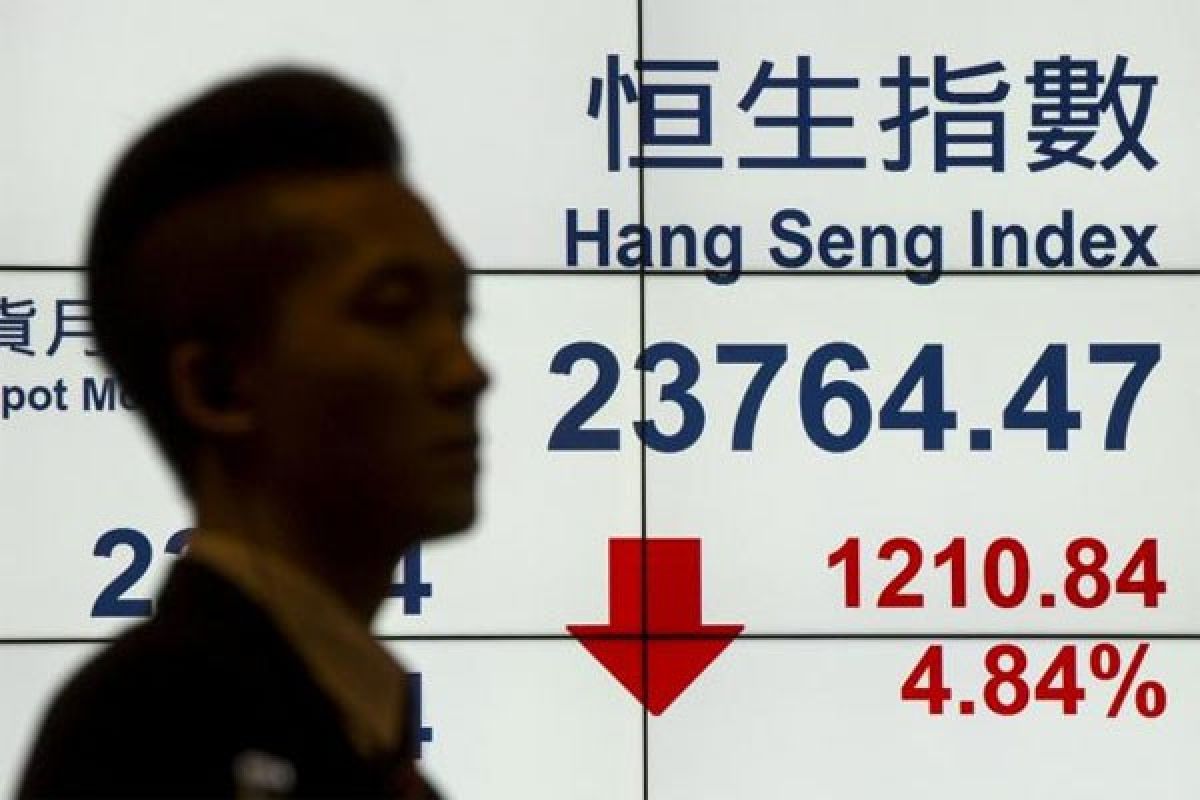
Hang Seng Weakens Again, Risk-Off Sentiment Weighs on Hong Kong Market
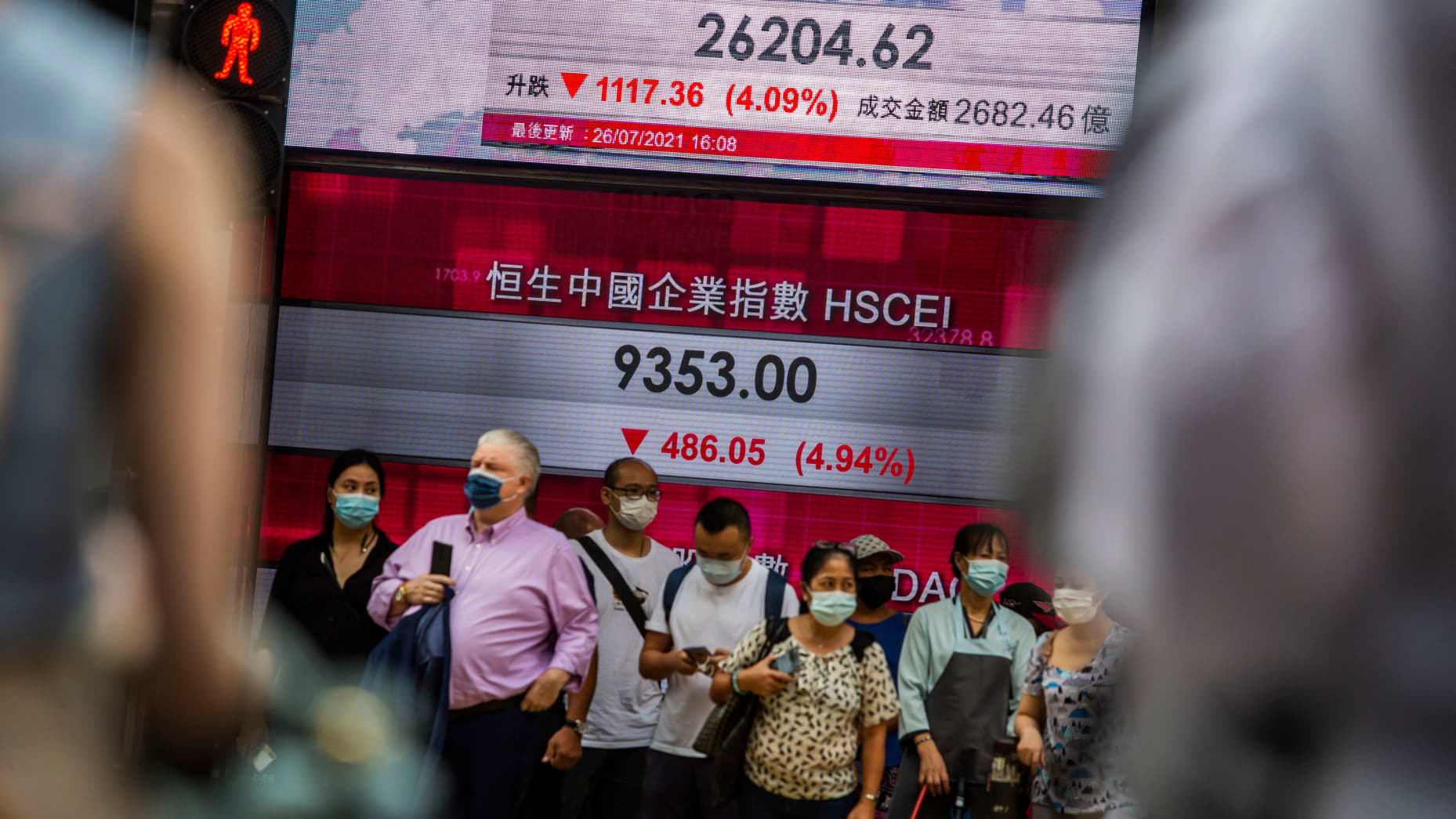
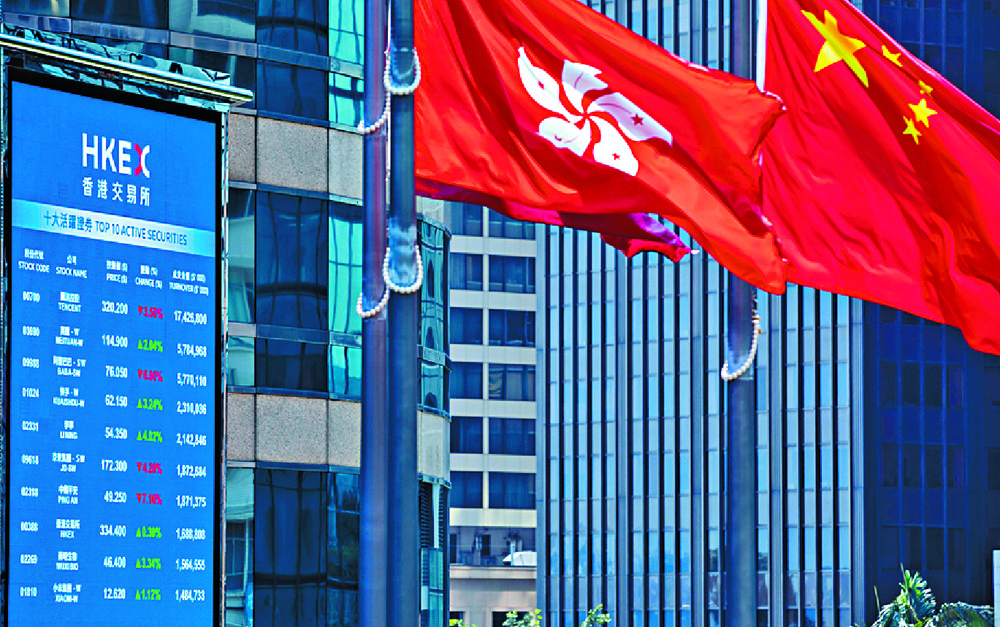
The Hang Seng Index continued its correction for the second day. According to data, the index closed down 1.1%, or 291.77 points, to 25,768.08, marking its lowest close since December 31st. The pressure was fairly widespread, with 67 of 88 stocks ending in the negative zone, while 17 stocks rose, reflecting a deterioration in market risk appetite.
Among its constituents, HSBC Holdings Plc was one of the main drags, falling 2.8%, as investor interest in financial stocks weakened amid heightened global uncertainty. Meanwhile, Xinyi Solar Holdings Ltd. recorded the sharpest decline, falling 6.3%, indicating pressure on growth-themed stocks as investors tended to reduce exposure to riskier assets.
The Hong Kong market's decline also occurred amid growing concerns over geopolitical conditions in the Middle East. Escalating tensions have reinforced risk-off sentiment in global markets, prompting investors to be more selective in their risk-taking. In such situations, equity markets tend to be under pressure, while market participants' focus shifts to hedging assets and indicators of energy supply stability.
On the macro front, the risk of supply disruptions—particularly those related to strategic energy distribution channels—has the potential to maintain high oil price volatility. Rising energy prices can amplify inflationary pressures and influence interest rate expectations, ultimately depressing stock valuations, particularly in sectors sensitive to funding costs and growth prospects.
From a sectoral perspective, today's movement shows that the weakness is not only concentrated in a few stocks, but is also reflected in three of the four sectors in negative territory, with declines led by trade and industrial stocks. This pattern confirms that market pressure is more comprehensive, rather than simply a technical correction in specific stocks.
Going forward, the direction of the Hang Seng's movement is likely to remain influenced by geopolitical developments and energy price movements. As long as uncertainty remains high, the market tends to be sensitive to news (headline-driven), so volatility is likely to remain elevated and recovery may be limited.
Source: Newsmaker.id