Dollar Holds Above 100, Markets Begin to Calculate Worst-Case Iran Scenario
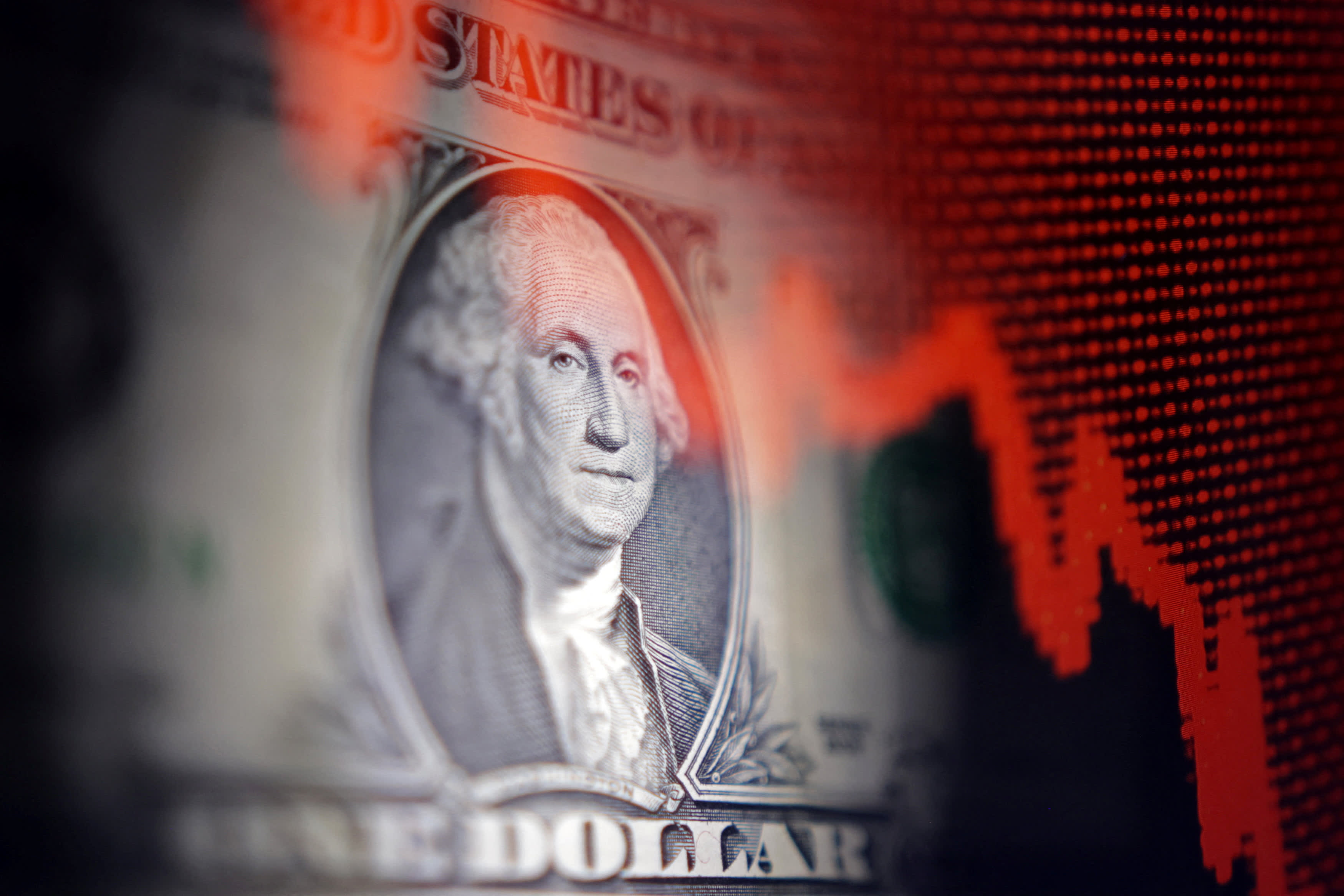
The US Dollar Index (DXY) held relatively firm above the psychological 100 level on Monday, supported by safe-haven demand as concerns about a wider conflict in Iran resurfaced. The DXY briefly touched 100.35 before retreating slightly to hover around 100.15 in the Asian session, remaining near a two-week high.
The dollar's strengthening occurred amid reports fueling speculation about more aggressive US military options. The Wall Street Journal reported that the Pentagon was considering sending 10,000 additional personnel for a ground operation, adding to market uncertainty about the direction of the conflict.
From Tehran, Iranian Parliament Speaker Mohammad Bagher Ghalibaf said Iran would "rain fire" on US troops attempting to enter its territory, according to the BBC. This counter-rhetoric underscored the risk of a further escalation, prompting the market to increase its defensive position in the dollar.
A ground operation scenario is considered a potential new escalation point because it could increase the risk of energy supply disruptions. These concerns were reflected in the oil market, with WTI rising nearly 2.5% and moving above $102.
The persistently high oil price has reinforced inflation concerns, particularly through US gasoline prices, and shifted market perceptions regarding monetary policy. In an “energy shock,” investors typically demand a higher inflation premium and reduce confidence that interest rates will soon fall.
According to CME FedWatch, market participants have now virtually eliminated the chance of a Fed rate cut this year and are pricing in a 24.6% chance of a rate hike by the end of the year—reversing the projection of two cuts before the war began. This repricing has strengthened the dollar's appeal through the yield differential channel.
Meanwhile, US President Donald Trump told the Financial Times that a deal with Iran could happen “very quickly.” However, the market appears to be still waiting for concrete evidence of progress. This week, attention will also be on US data—particularly the March Nonfarm Payrolls (NFP) on Friday—as it could strengthen or weaken the “higher rates for longer” narrative currently supporting the dollar. (asd)
Source: Newsmaker.id