Dollar Strengthens Ahead of Weekend, Markets Remain Wary of Hormuz
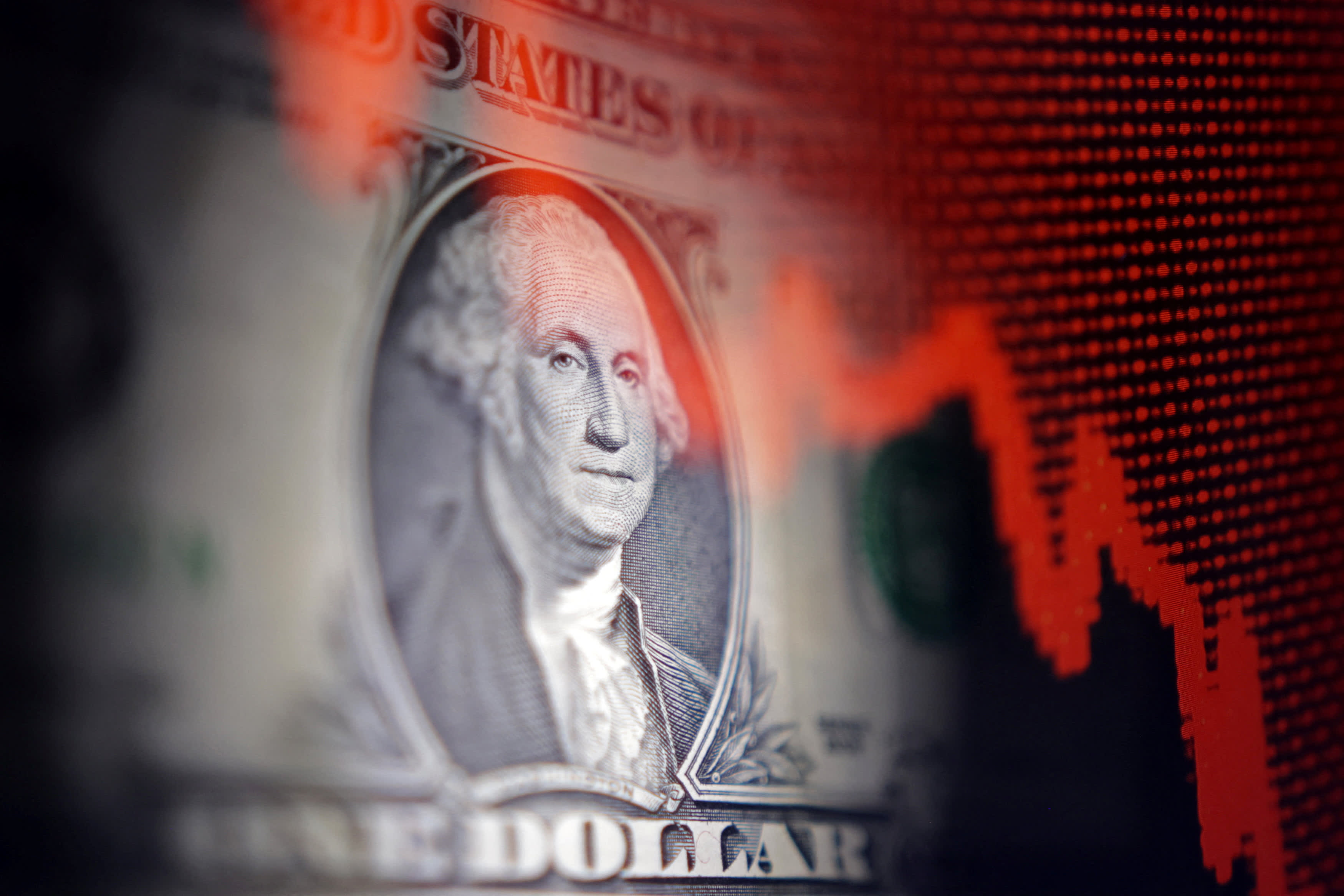
The US dollar strengthened on Friday (March 27) and is on track for its strongest monthly gain in nearly a year, supported by safe-haven flows as the Middle East war intensifies and hopes for de-escalation fade. The dollar index (DXY) rose 0.3% to 100.17 and has gained 2.57% so far in March, putting it on track for its best monthly performance since July 2025. The dollar's support was also boosted by changing interest rate expectations, as markets increasingly priced in a US rate hike this year.
The yen was the most pressured currency. USD/JPY rose and broke through 160 for the first time since July 2024, last trading at 160.35 (+0.34%), a level that has rekindled speculation of Japanese intervention. Pressure on the yen came from a combination of a stronger dollar, surging Japanese bond yields, and Japan's vulnerability to rising energy prices due to its heavy dependence on imports. The yen also fell 2.74% throughout March.
Elsewhere in the G10, the euro edged up 0.17% to $1.1509, while sterling fell for a fourth straight session, weakening 0.48% to $1.3268. The Australian dollar fell 0.2% to $0.687 after hitting a two-month low, and has fallen about 3% since the war began—reflecting pressure on pro-cyclical currencies as energy volatility and risk aversion increase.
Markets remain cautious heading into the weekend amid conflicting diplomatic signals. Iran is said to be responding to a US peace proposal, with Washington anticipating a counter-proposal. However, the IRGC reiterated a ban on shipping through the Strait of Hormuz for vessels linked to US allies and Israel, while reports suggest the Pentagon is considering deploying up to 10,000 ground troops—weighing down hopes of a quick resolution. In the bond market, US yields edged back up after their previous spike: the 2-year yield reached 3.914% and the 10-year yield rose 2.2 bps to 4.438%, confirming the current key transmission: geopolitical and energy risks are lifting the inflation premium, driving interest rate repricing, and supporting the dollar. (Arl)
Source: Newsmaker.id