Dollar Extends Gains as Iran War Risk and Inflation Focus Support Safe-Haven Demand
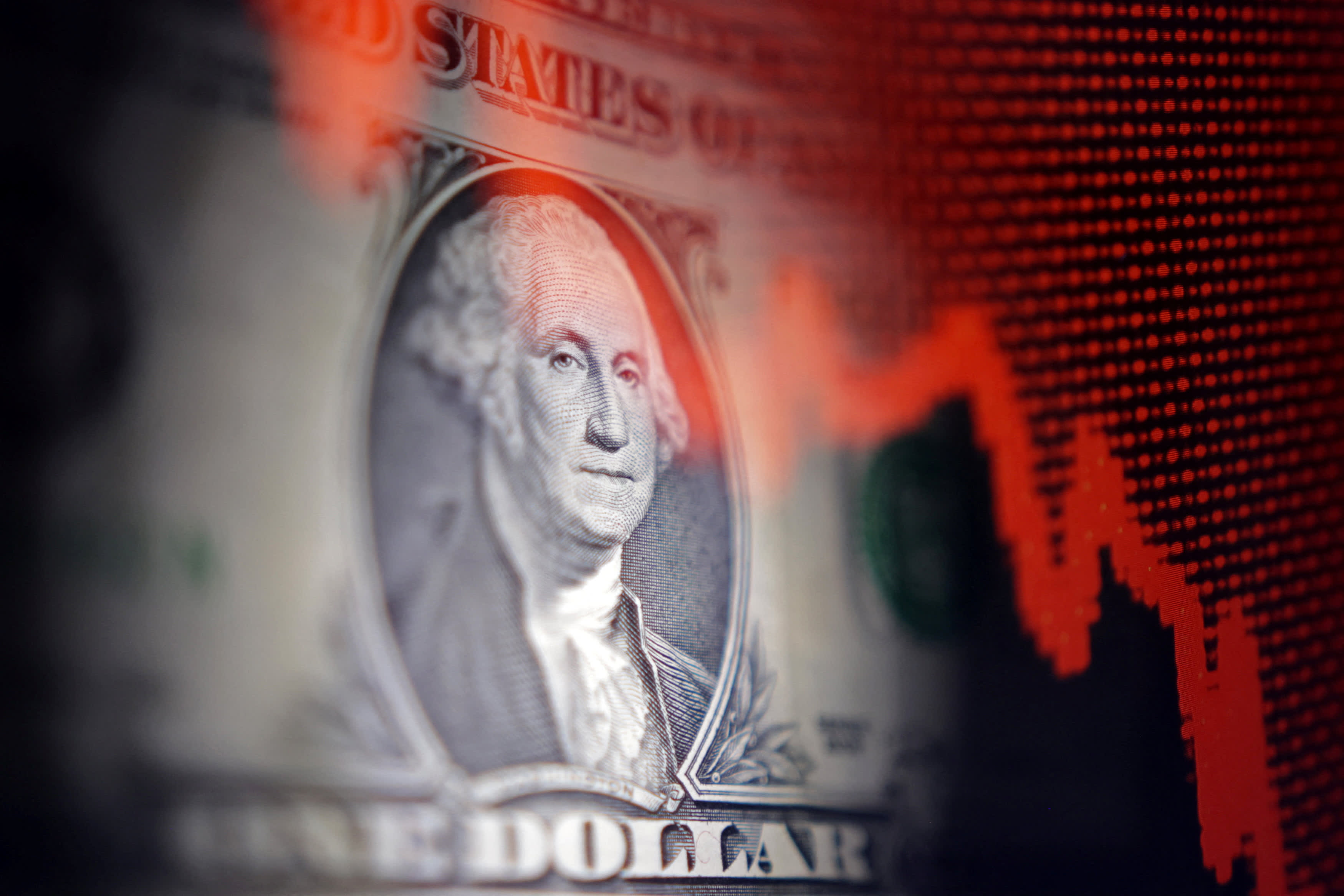
The U.S. dollar strengthened against major peers on Wednesday, as traders weighed global inflation dynamics and remained skeptical that the Iran war would de-escalate quickly. While reports said Washington had sent a 15-point plan to Tehran for discussion, Israel and Iran continued to exchange airstrikes, keeping risk sentiment fragile.
The U.S. dollar index, which tracks the greenback versus a basket of six currencies, rose 0.23% to 99.41. The euro slipped 0.19% to $1.1585, while sterling fell 0.19% to $1.3387.
Markets stayed on edge after President Donald Trump said the U.S. was making progress in talks with Iran, even as Tehran denied that direct negotiations had taken place. The mixed messaging reinforced a risk premium in FX and helped keep the dollar bid.
Beyond geopolitics, inflation considerations also underpinned the greenback. Elevated energy-related uncertainty can feed into price pressures, nudging rate expectations higher and supporting the dollar through the interest-rate channel. Shaun Osborne, Scotiabank’s chief FX strategist, said the dollar’s resilience suggested currency markets were taking a “slightly different view” than equities and bonds, adding that a clear off-ramp would likely trigger some correction in the dollar’s risk premium.
That backdrop contrasted with moves in other asset classes. U.S. equities advanced, with the S&P 500 up 0.8%, while global crude prices retreated, with Brent down 3.8% at $100.54 per barrel. Bond markets also stabilized after a volatile week, with the U.S. 10-year Treasury yield down 5.6 basis points to 4.336%.
In Asia, the dollar rose 0.23% against the yen to 159.05. Minutes from the Bank of Japan’s January meeting showed many board members saw the need to keep raising interest rates, though without specifying the pace. The Australian dollar fell 0.39% to $0.6966 after February inflation data showed a 3.7% rise prior to the start of the Iran war, slightly below analysts’ expectations.
Rate expectations in the U.S. also shifted at the margin. While markets still broadly anticipate no change in Fed policy this year, expectations of further tightening have been edging up. Fed funds futures now imply a small chance of a 25-basis-point hike at the Federal Reserve’s December meeting, reversing from pricing that suggested a cut a week earlier, according to CME Group’s FedWatch tool.
Investors are likely to keep monitoring Iran-Israel headlines, oil-price volatility and its inflation implications, U.S. Treasury yields, and changes in Fed futures pricing, alongside central bank signals from the Bank of Japan and upcoming inflation prints in major economies.
Source : Newsmaker.id