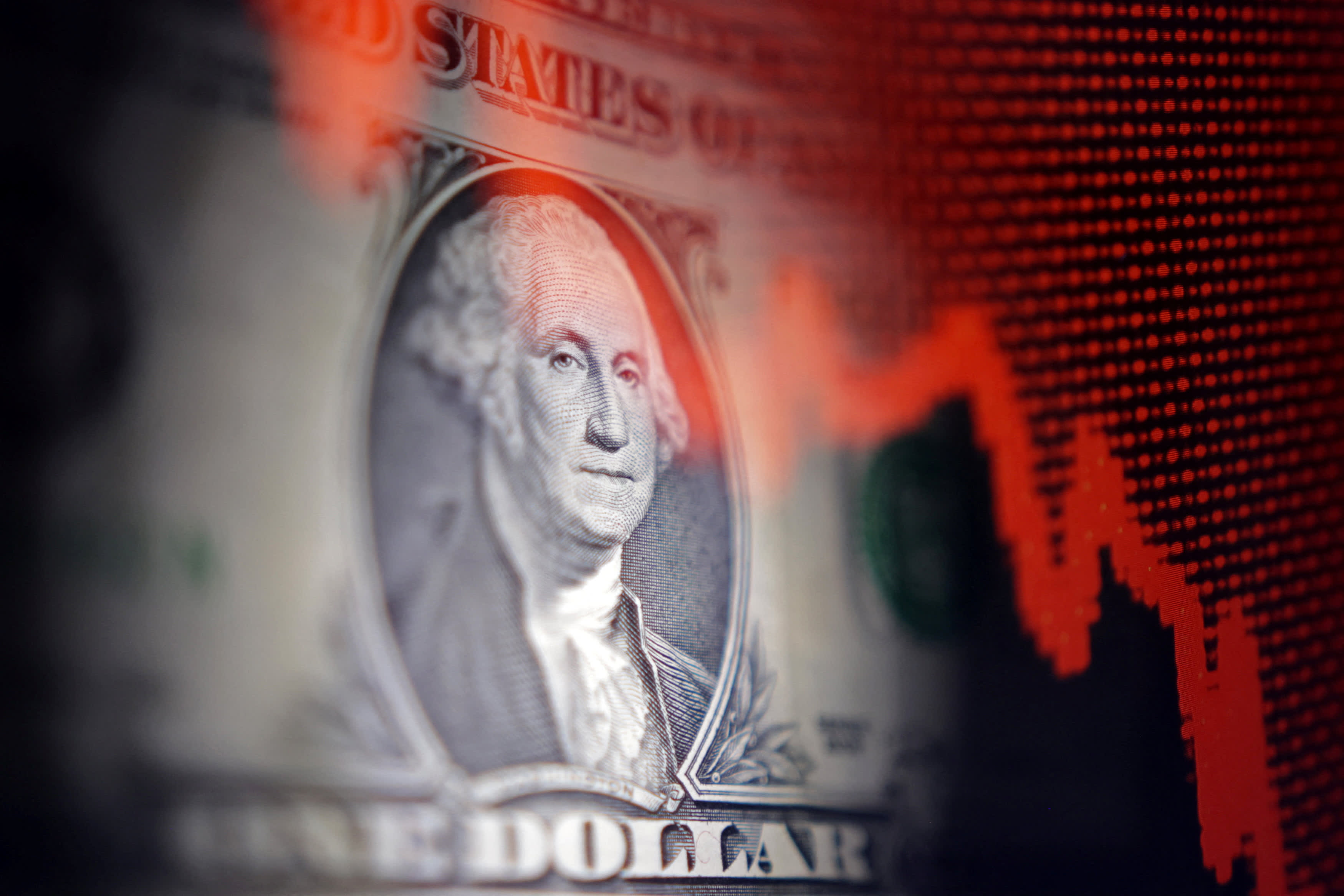
DXY Nears 100, Market Focus on Energy Inflation and the Fed
The US dollar index (DXY) continued its gains for the second straight session on Monday and was trading around 99.80 at the start of the European session. The dollar strengthened as markets reassessed their defensive positions amid escalating Middle East tensions.
The safe-haven factor became a key driver after reports that US President Donald Trump gave Iran a 48-hour ultimatum to reopen the Strait of Hormuz or face possible attacks on its energy infrastructure. There were also reports that Washington was considering a ground operation to seize Kharg Island, one of Iran's main oil export hubs, increasing the risk of long-term supply disruptions.
On the Iranian side, the IRGC warned it would close the strait "completely" if the US acted, while Tehran threatened to target US and Israeli assets in the region, including energy, information technology, and desalination facilities. This combination of threats increased volatility and kept demand for the dollar strong.
The dollar's strength was also supported by surging oil prices, which rekindled inflation concerns. High energy prices have the potential to limit the scope for monetary policy easing and reinforce the "higher for longer" narrative, which typically supports the dollar through interest rates and capital flows.
The market is now increasingly pricing in the possibility of a Fed rate hike towards the end of the year. This pricing shift makes the DXY more sensitive to inflation indicators, energy movements, and communications from central bank officials.
At its March meeting, the Fed voted 11-1 to keep rates unchanged in the 3.50%-3.75% range, marking the second consecutive hold after a series of cuts through the end of 2025. Futures contracts also indicate an approximately 85.5% probability of a rate hike at the April meeting, according to CME FedWatch, so the market is more focused on the direction of energy inflation and geopolitical risks as determinants of the next move.
Source: Newsmaker.id