Dollar Extends Gains After Powell’s Press Conference
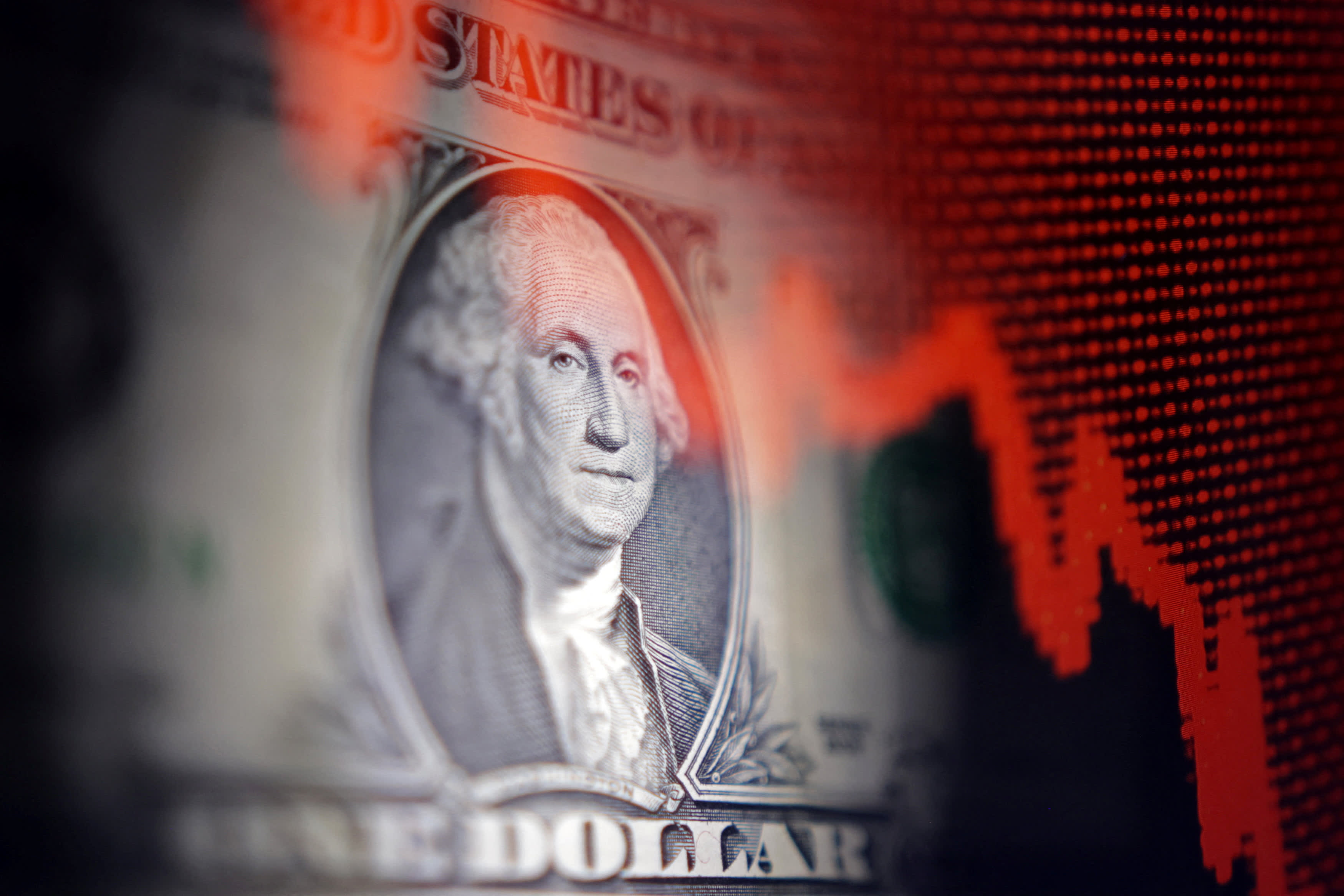
The U.S. dollar extended its rally after Federal Reserve Chair Jerome Powell spoke to the media following the Fed’s decision to keep interest rates unchanged. The greenback had already been supported earlier by a hotter-than-expected U.S. PPI print and fresh escalation in the Middle East, which helped lift energy prices and inflation concerns.
The Bloomberg Dollar Spot Index rose about 0.5%, marking its first advance this week. “The market took Chair Powell’s press conference as a bit hawkish,” said Alex Cohen, an FX strategist at Bank of America. He noted Powell downplayed recent labor-market softness while emphasizing the Fed still wants more progress on inflation—even before the oil shock—pushing U.S. rates higher and pulling the dollar up with them.
On the data front, U.S. wholesale inflation unexpectedly accelerated in February, reflecting rising costs for goods and services even before the Iran war. Meanwhile, Iran warned Gulf countries that a number of energy assets are now “legitimate targets” after Israel attacked Iran’s giant South Pars gas field, sending additional shock waves through oil and gas markets.
Brent crude climbed back above $109 a barrel. U.S. Treasury yields rose in response: the 10-year yield gained about 6 bps to 4.26%, and the 2-year yield rose roughly 10 bps to 3.77%, reinforcing a “higher-for-longer” repricing that tends to favor the dollar.
In G-10 FX, USD/CAD rose about 0.3% to 1.3725, extending gains after the Bank of Canada held rates steady. The BoC said it would “look through” the immediate inflation impact from Middle East conflicts while focusing more on growth risks.
Markets are also closely watching the Swiss franc. One-day volatility pricing across dollar pairs suggests traders are less focused on policy-surprise risk elsewhere and more on whether the SNB triggers a sharp move in CHF. Overnight EUR/CHF volatility jumped as much as 393 bps to 10.64%, the highest since June, as the pair traded below 0.91. The key question is whether the SNB signals stronger determination to resist further franc gains, potentially reinforcing 0.90 as a line in the sand. USD/CHF climbed about 1% to 0.7927, while EUR/USD slipped roughly 0.6% to 1.1469.
Liquidity remained relatively light, with spot and options volumes running around 50%–60% of recent averages, according to Europe-based traders. Meanwhile, USD/JPY rose for the first time this week to around 159.81, with a break higher seen as likely to bring the pair toward the key 160 level.
Source : Newsmaker.id