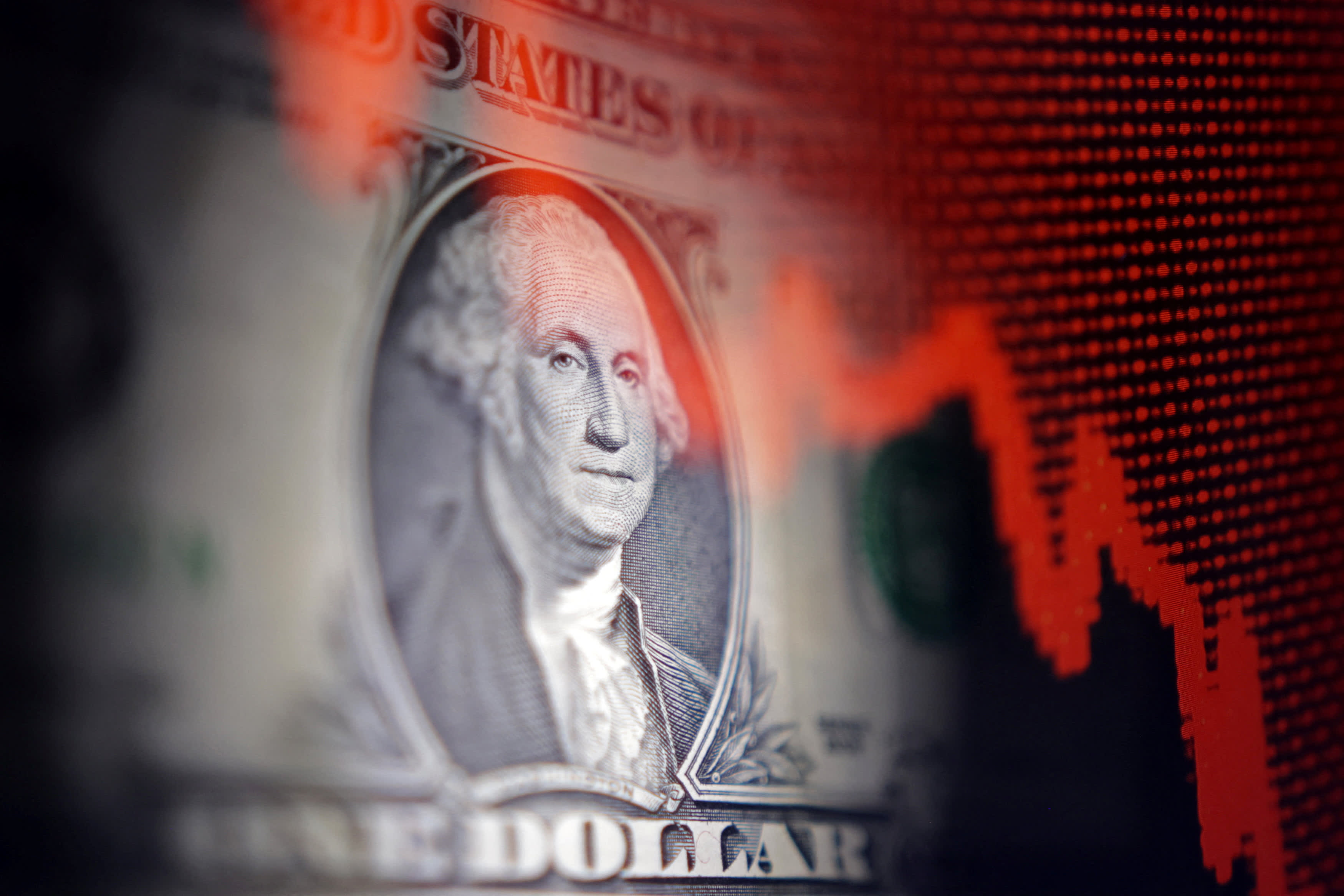
Rebalancing Pressures Dollar, G10 FX Begins to Turn
The US dollar weakened at the start of the week after a sharp rally on Friday triggered position adjustments, while oil prices rebounded and US stock futures moved higher. The Bloomberg Dollar Spot Index fell 0.2% after hitting a three-month high on Friday, indicating the market is beginning to reduce some of its defensive positions in the greenback.
In energy markets, Brent briefly pared its initial 3.3% gain, while S&P 500 futures rose more than 1%. These moves came as President Donald Trump stated he was "demanding" other countries contribute to the defense of the Strait of Hormuz, amidst still-high tensions in the region.
Iran denied Trump's claim that Tehran wanted ceasefire talks and instead launched a new attack in the Persian Gulf that temporarily halted flights at Dubai's main airport. In the bond market, the 10-year Treasury yield fell 1 basis point to 4.27% after surging 14 basis points over the past week.
In major currency markets, EUR/USD halved its initial 0.4% gain and traded around 1.1440, while options analysis and spot prices suggest the euro may have bottomed or is still at risk of falling to at least 1.08. USD/JPY fell 0.4% to 159.17, after briefly touching 159.75 on Friday, its highest level since July 2024. Japanese Finance Minister Satsuki Katayama also emphasized that authorities are ready to take decisive action if necessary to respond to the yen's movements.
In the G10 group, the antipodean currencies and the Swedish krona were the outperformers. NZD/USD rose 0.8% to 0.5820, recording its first gain in a week, while AUD/USD strengthened 0.6% to 0.7024. These movements suggest that the dollar's weakness that day was driven more by position rebalancing than a fundamental shift in the safe haven trend.
Source: Newsmaker.id