Dollar Wobbles Near Lows, Markets Wary of "Major Risks"
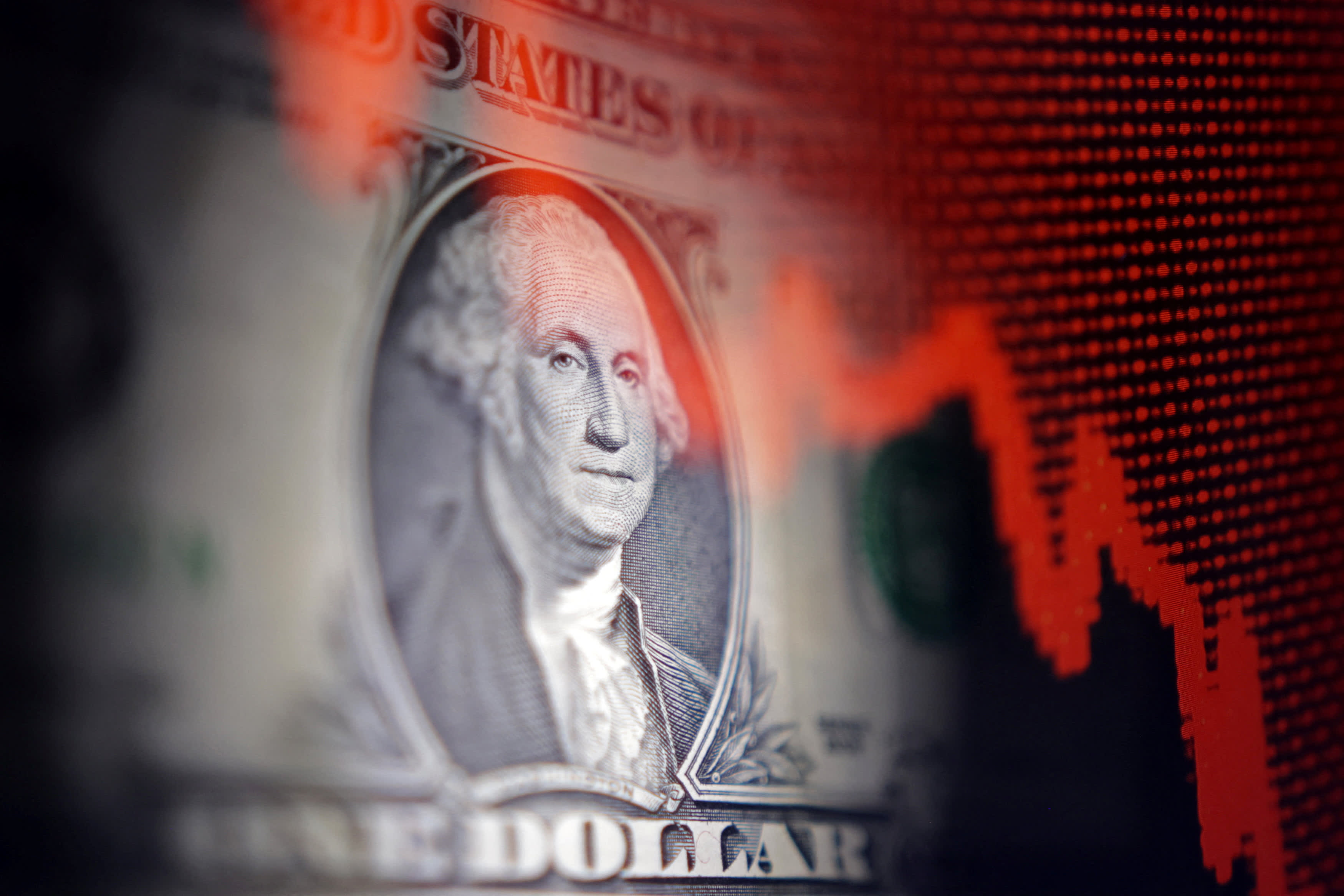
The US dollar remained unsteady on Thursday (January 29th), lingering near multi-year lows, as markets assessed the mounting risks from US economic policy and geopolitical maneuvering. Reassuring comments from the White House and some European officials did ease some of the panic, but were not enough to shift the overall sentiment: investors remained cautious, especially after the sharp dollar sell-off earlier in the week.
From the monetary side, the Federal Reserve struck a calmer tone regarding the labor market and inflation risks. The message the market took away was that interest rates could be held steady for longer. Jerome Powell also signaled he was in no rush to cut interest rates again, and some economists even believed the rate-cutting cycle might already be over. A number of extreme projections emerged—some saw the next step be a rate hike, not a cut.
In Europe, the euro, which had briefly broken through $1.20, also rallied as the dollar weakened, but then fell slightly to around $1.1980 after ECB officials warned that too rapid a strengthening of the euro could suppress inflation (a deflationary effect). Despite this, the ECB assesses that current policy is "well-positioned" and that interest rates are likely to remain stable for quite some time. Markets are even still pricing in stable interest rates until early 2027.
Although dollar selling pressure was less severe than earlier in the week, the greenback continued to lag behind major currencies. The dollar weakened against the Swiss franc, approaching an 11-year low, while the pound held near a 4.5-year peak. The Australian dollar also strengthened to a 3-year peak, supported by speculation of a domestic interest rate hike.
In Asia, the yen gained some ground as the dollar weakened, while the biggest issue lingering is the Fed's independence—markets believe this could be a determining factor in whether the dollar can maintain its "dominant status" going forward.
Source: Newsmaker.id