Oil Falls Sharply, Hopes of a US-Iran Deal Pressure Risk Premiums
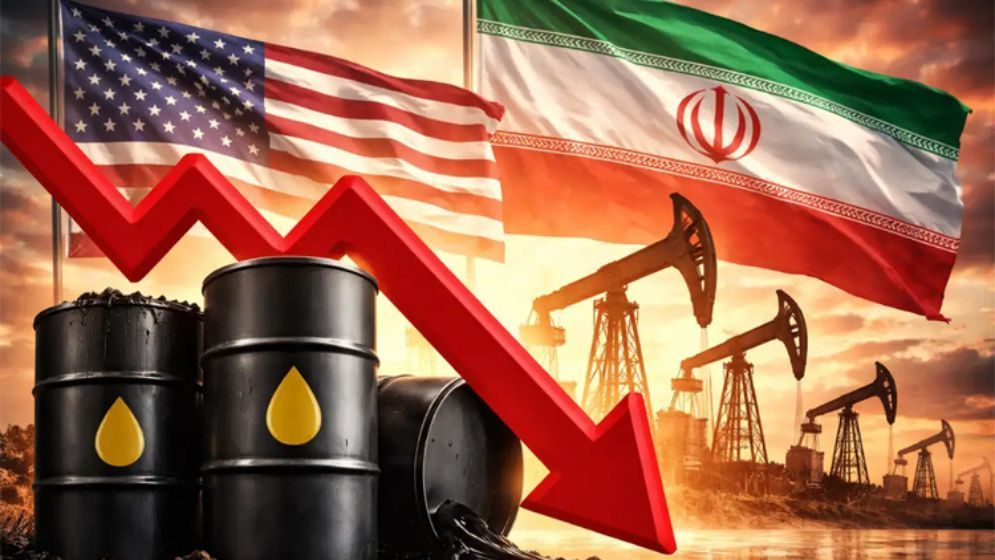
Oil prices fell sharply on Friday (June 12th) as the market grew increasingly confident that a peace agreement between the United States and Iran was approaching. Brent closed at US$87.33/barrel, down US$3.05, or 3.37%, to its lowest level since early March. Meanwhile, WTI fell US$2.83, or 3.23%, to US$84.88/barrel, its lowest level since April 17th.
Price pressure arose after Western sources said a memorandum to end the Gulf War could be signed as early as Sunday, with Geneva the most likely location. US President Donald Trump had previously canceled plans for airstrikes against Iran, reinforcing expectations that diplomacy was beginning to regain market momentum.
However, the agreement is not yet final. Iranian Foreign Minister Abbas Araqchi said the memorandum had not been signed and was subject to change. Iranian media also reported that final negotiations would focus on nuclear and economic issues, with Iran's missile program not being discussed. Nuclear talks are expected to resume within 60 days of the memorandum being signed.
The oil decline indicates the market is beginning to unwind the risk premium from the Iran conflict, especially after concerns about the closure of the Strait of Hormuz briefly boosted prices. This waterway is crucial because it typically carries about a fifth of global oil and LNG shipments. Iran had declared Hormuz completely closed and threatened ships attempting to pass through, but the US military said commercial vessels were still moving through the waterway.
Despite the price decline, supply risks have not completely disappeared. Global and regional oil stocks remain low, so a return to normal oil flows will not be immediate even if an agreement is reached. The market still needs to determine whether shipments through Hormuz truly return to normal and whether supply disruptions during the war can be reversed without new obstacles.
From a medium-term fundamental perspective, Goldman Sachs cut its 2027 Brent average forecast to US$80/barrel due to expectations of higher supply and lower demand. OPEC also lowered its projection for global oil demand growth in 2026 to 970,000 barrels per day from the previous 1.17 million barrels per day, although it expects demand to increase again in 2027. Currently, the direction of oil production still depends on the certainty of the US-Iran deal, the status of Hormuz, and global stockpiles. (arl)*
Source: Newsmaker.id