Oil Prices Rise, Market Warns of Hormuz Escalation and Supply
Oil prices rose on Tuesday (May 12), extending a nearly 3% gain in the previous session, after US President Donald Trump called the ceasefire with Iran on “life support.” The statement dampened hopes for an imminent peace deal and lifted the supply risk premium.
At 9:46 a.m. US time, Brent crude rose 3.6% to US$107.96 per barrel, while WTI rose 3.5% to US$101.52. Sentiment remains dominated by concerns that the more than two-month-old Middle East conflict could tighten global supply, especially after Trump dismissed Tehran’s latest response to a US peace proposal as “totally unacceptable.”
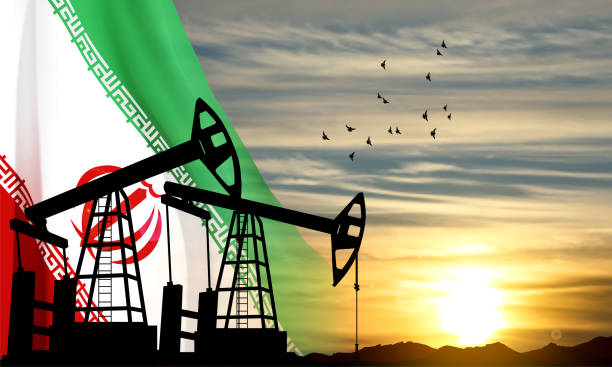
Iran stated that its offer focuses on ending the war, lifting the US naval blockade, and restoring shipping through the Strait of Hormuz. Tehran also demands compensation for war damage, the removal of sanctions, and recognition of sovereignty over the strait, which markets view as crucial for the stability of energy distribution routes.
Risks to the Strait of Hormuz have returned to focus, following a CNN report that Trump is seriously considering resuming major combat operations as negotiations stall. This uncertainty adds to market sensitivity, as approximately one-fifth of global oil and fuel supplies pass through the chokepoint, making prices vulnerable to shifting geopolitical headlines.
On the industry front, Saudi Aramco CEO Amin Nasser warned that even if the waterway were to be restored soon, normalizing global oil flows could take months. The market saw a temporary correction last week as hopes for a diplomatic breakthrough emerged, but that narrative faded and was replaced by a scenario of supply disruptions.
Beyond geopolitics, market participants are also weighing macroeconomic implications. Investors are closely monitoring US inflation data after the April CPI rose more than expected, with a significant boost from rising gasoline prices, though this is seen as cooling.
The transmission channels are clear: higher oil could keep inflation pressures in check and strengthen the case for persistently high interest rates, with further attention on Wednesday's PPI data and the Trump-Xi meeting in Beijing, which is expected to cover Iran, trade, AI, and energy security—with China seen as having significant diplomatic influence given its position as a major buyer of Iranian oil.
Source: Newsmaker.id