Signs of Escalation Push Brent to US$105
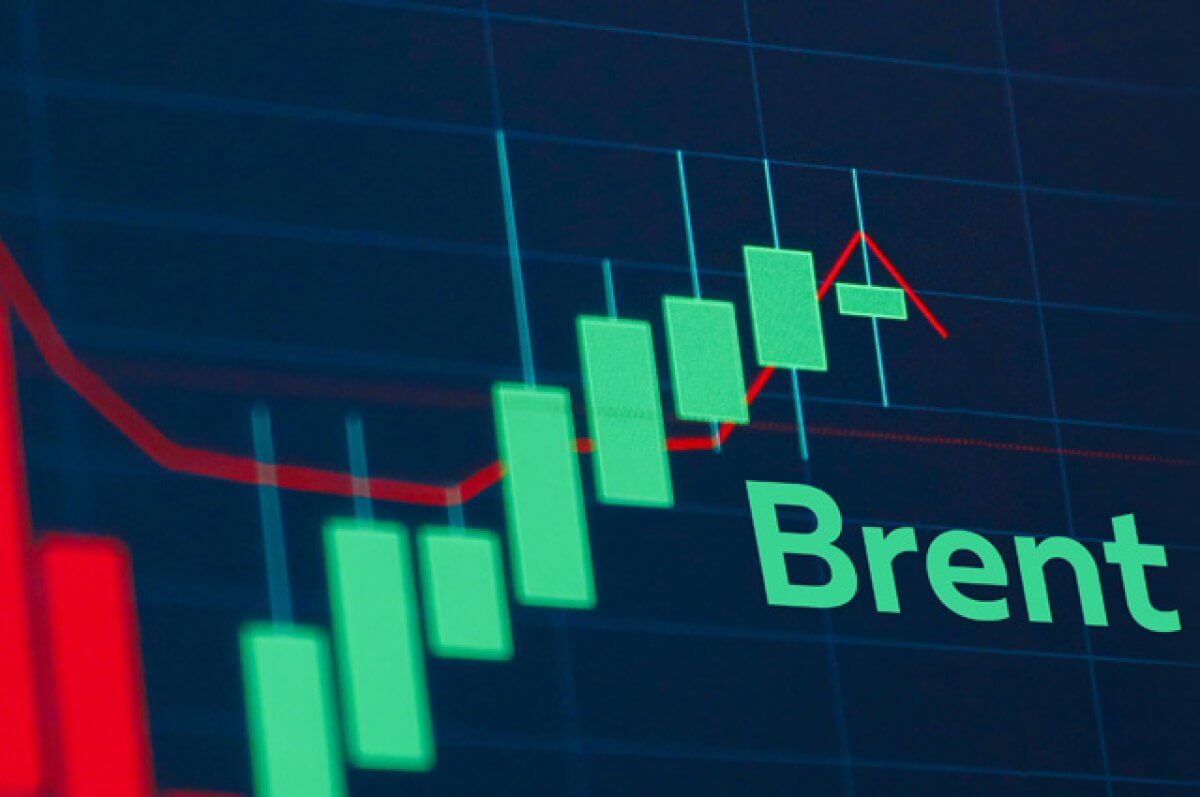
Oil prices rose sharply in trading on Thursday (April 23) after signs of a new escalation in the Iran war emerged, dimming hopes for a rapid recovery in energy flows through the Strait of Hormuz. West Texas Intermediate (WTI) for June rose 3.1% to close at US$95.85 per barrel in New York, while Brent for June also rose 3.1% to US$105.07 per barrel.
Prices fluctuated throughout the session, but the rally intensified as markets assessed a renewed stalemate in peace talks, escalating rhetoric, and growing military threats—returning a geopolitical premium to prices. Iranian media reported that air defense systems in several areas of Tehran were activated to counter “hostile targets,” while investors were wary of the possibility of energy infrastructure being targeted again following Israel’s statement that it was ready to resume attacks.
In shipping lanes, risks are perceived as increasingly real. Shipowners face indications that transiting Hormuz is unsafe, despite assurances from Washington, as both the US and Iran have restricted access to the chokepoint. Uncertainty about the extent of the mined waters—and how long the clearing process will take—adds risk to shipping and tightens the market as effective supply continues to dwindle as the conflict drags on.
Trump previously said he ordered the US Navy to fire on vessels laying mines in the strait. Tensions also escalated after the US boarded a sanctioned supertanker in the Indian Ocean and intercepted two Iranian tankers allegedly attempting to circumvent the blockade. Iran, meanwhile, has reiterated that it will not negotiate as long as the US naval blockade of its ports remains in place and has expressed readiness to respond to further threats.
For the market, as long as the Hormuz flow remains obstructed, supply tightness is likely to persist and global inventories are at risk of further erosion, supporting oil prices. The next focus will be developments in shipping security in Hormuz (new incidents, mines, blockade enforcement), signals of continued diplomacy, and potential risks to regional energy infrastructure, which could increase risk premiums in the short term. (Arl)*
Source: Newsmaker.id