Brent-WTI Rebounds After Deepest Drop Since 2020
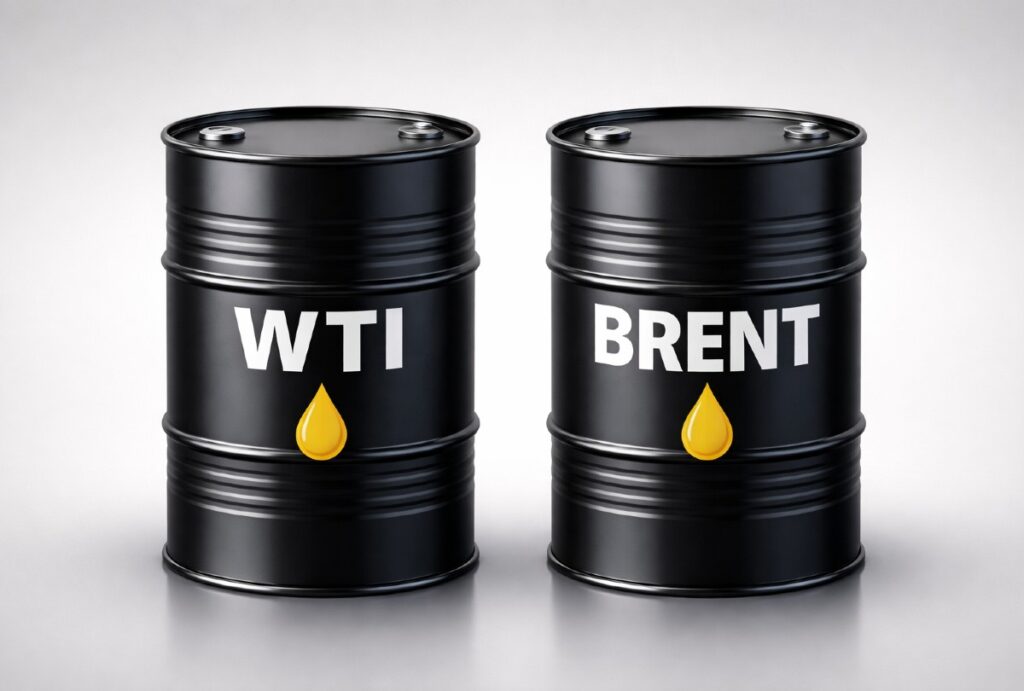
Oil prices rose on Thursday (April 9) after posting their deepest daily drop since April 2020, as shipping disruptions in the Strait of Hormuz continued and geopolitical tensions again clouded the supply outlook. At 5:22 a.m. ET, Brent rose 2.8% to US$97.68/barrel, while WTI gained 3.3% to US$97.50/barrel.
Both had fallen more than 13% on Wednesday after US President Donald Trump announced a temporary ceasefire with Iran and said Washington would help ease the shipping congestion. However, that rally in risk assets was quickly tested by the latest escalation: Israeli attacks on Lebanon reportedly escalated sharply on Wednesday, despite the US-Iran ceasefire agreement. Israel insists operations against Hezbollah are not included in the deal, while Iran has called peace talks with the US “nonsensical” under the current circumstances and accused Israel of violating the ceasefire. On the energy logistics front, Iran halted tanker traffic through Hormuz, holding back the recovery of global oil flows.
Data-wise, the EIA report showed that US crude oil stocks rose by 3.1 million barrels to 464.7 million barrels in the week ending April 3, a nearly three-year high and contrary to expectations of a decline of around 1.0 million barrels. However, fuel product inventories actually fell: distillate stocks (including diesel and heating oil) fell by 3.1 million barrels due to strong exports, while gasoline fell by 1.6 million barrels. This combination confirms the market is still weighing the trade-off between signals of persistently tight global supply due to Hormuz versus indications of accumulated crude stocks in the US.
The next market focus will be on the certainty of the implementation of the ceasefire, the status of the opening and security of the Hormuz Passage, and developments in the Israel-Hezbollah conflict. Market participants will also monitor US product export flow data, the dynamics of the next week's stocks, and the direction of the supply risk premium, which is a key driver of price volatility.
Source: Newsmaker.id