Oil Edges Higher in Choppy Trading Ahead of Trump’s Iran Deadline
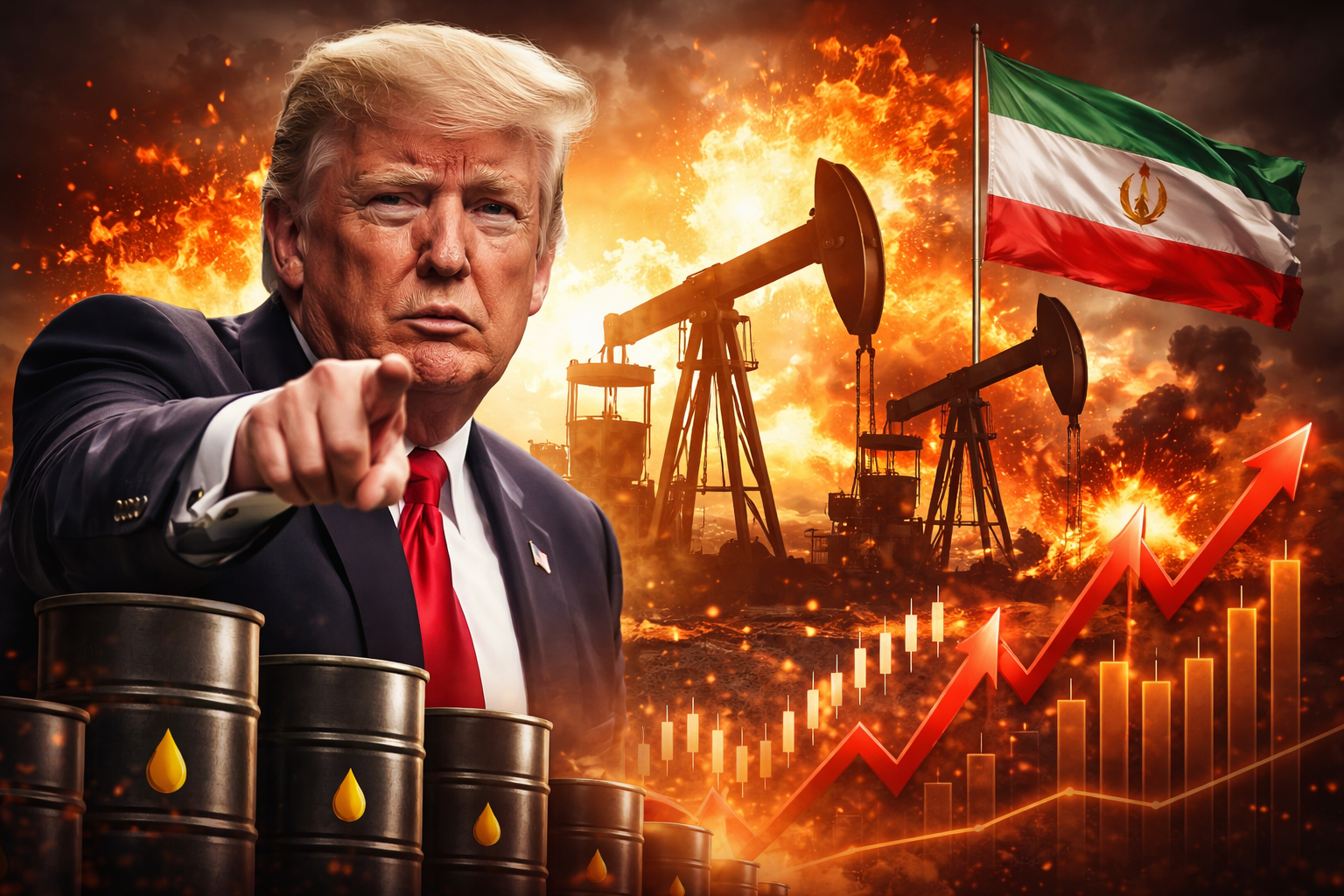
U.S. crude ended Tuesday slightly higher as traders parsed conflicting signals on the trajectory of the Middle East conflict ahead of President Donald Trump’s deadline for Iran to reopen the Strait of Hormuz or face destruction. West Texas Intermediate (WTI) settled near $113 a barrel, with tight supply conditions keeping a premium on near-term deliveries.
The market split between benchmarks. May WTI closed higher, reflecting stronger pricing for prompt U.S. barrels, while global benchmark Brent — trading on the June contract — ended a bit lower near $109 a barrel. In another sign of how scarce spot supplies have become, Dated Brent jumped to a record above $144 a barrel, highlighting the sharp cost of physical cargoes tied to immediate delivery windows in the North Sea market.
Futures price swings were amplified by thin liquidity as traders reduced exposure amid extreme volatility and headline-driven whipsaws. Trump escalated his rhetoric ahead of the 8 p.m. ET Tuesday deadline, warning that “a whole civilization will die tonight” if no agreement is reached. The New York Times reported Iran has halted negotiations with the U.S., citing three senior Iranian officials, while Axios said progress had been made in the past 24 hours in talks between the countries.
“There’s quite a lot of static and noise, and it’s really hard to cut through all of it to understand where the signals are,” said Mona Yacoubian, director of the Middle East Program at the Center for Strategic and International Studies. Iran has warned it would respond to stepped-up U.S. strikes by intensifying attacks on energy infrastructure in the Persian Gulf, a move that could deepen the global fuel squeeze and worsen economic damage. The war, now in its sixth week, has already jolted crude markets with a severe supply shock.
Early Tuesday, the U.S. struck military targets across Iran’s Kharg Island, a key oil export hub, supporting prices. Crude also found support after the Israel Defense Forces said it hit eight bridge segments it described as being used by Iran’s regime. “There’s been no shortage of rhetoric,” said John Kilduff, a partner at Again Capital. “None of these folks hold back when it comes to throwing verbal gasoline on the fire.”
Volatility has constrained how long traders can hold positions and pushed position sizes lower as risk limits tighten. A gauge of Brent volatility posted its highest monthly average since data began in 2015 last month, and daily price moves have averaged more than $9 a barrel since the war began — the largest swings in years.
Societe Generale analysts said the market is effectively toggling between two broad outcomes: a fragile détente — no ground war, controlled escalation, gradual supply recovery — or a prolonged conflict with boots on the ground and structurally higher risk premia as countries respond with aggressive stockpiling.
WTI’s prompt spread — the gap between the two nearest contracts — traded near $16.50 a barrel at one point Tuesday, close to the widest premium on record, as overseas buyers rushed to secure U.S. crude. The Energy Information Administration estimates about 9 million barrels a day of production from key Middle East producers could be shut in during April. On the demand side, global oil demand growth is already expected to cool this year, driven largely by weaker consumption in Asia, raising the risk that demand destruction is emerging earlier than anticipated.
WTI for May delivery rose 0.5% to settle at $112.95 a barrel in New York. Brent for June settlement slipped 0.5% to settle at $109.27 a barrel.
Source : Newsmaker.id