Hormuz Blockade Threat Highlights Asia's Heavy Dependence on Gulf Oil and LNG
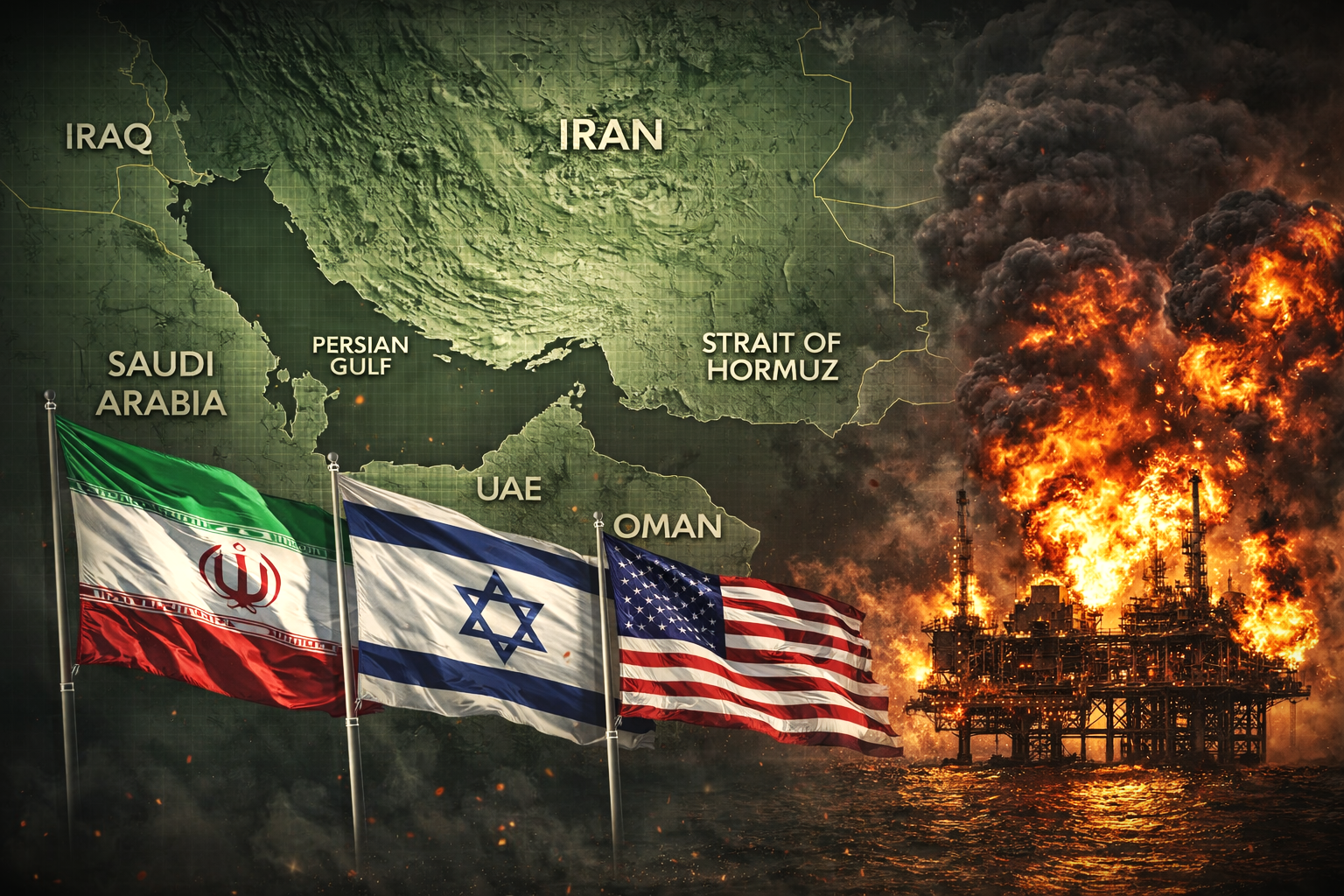
A blockade or effective closure of the Strait of Hormuz would concentrate the greatest economic impact on major energy importers in Asia, where dependence on Gulf crude oil and LNG is highest, while also limiting export flows for major Gulf producers dependent on the route.
For crude oil, the most exposed importers are China, India, Japan, and South Korea. The US Energy Information Administration (EIA) estimates that 84% of crude oil and condensate passing through Hormuz in 2024 was destined for Asian markets, and these four countries accounted for 69% of total crude oil and condensate flows through Hormuz. In practice, a prolonged disruption would tighten availability in the region, raise replacement costs, and pose refinery feedstock challenges—especially for refineries optimized for Middle Eastern grades.
For LNG, the risk path would be even more acute if Qatar were affected. The EIA estimates that 83% of LNG moving through Hormuz in 2024 was destined for Asian markets. Reuters reported that QatarEnergy declared force majeure following the attack on the facility, and Qatari LNG shipments that typically pass through Hormuz slowed sharply as shipping through the strait came to a near standstill in the latest escalation. A prolonged disruption is likely to push Asian buyers to switch to spot cargoes, increasing fuel costs for power plants and the industrial sector.
The degree of vulnerability varies across buyers. Reuters noted that Pakistan receives nearly all of its LNG supplies from Qatar. Taiwan is described as importing about a third of its LNG supplies from Qatar and generating more than 40% of its electricity from LNG, highlighting its sensitivity to shipping disruptions. Reuters also reported that India has begun rationing natural gas as Asian buyers prepare to replace disrupted cargoes through the spot market.
On the supply side, an effective shutdown will limit exports from major Gulf producers including Saudi Arabia, the UAE, Iraq, Kuwait, Iran and Qatar, while freight and insurance costs rise as shipping companies avoid risks.
Source: Newsmaker.id