Iran Negotiation Signals Emerge, Washington Remains Skeptical
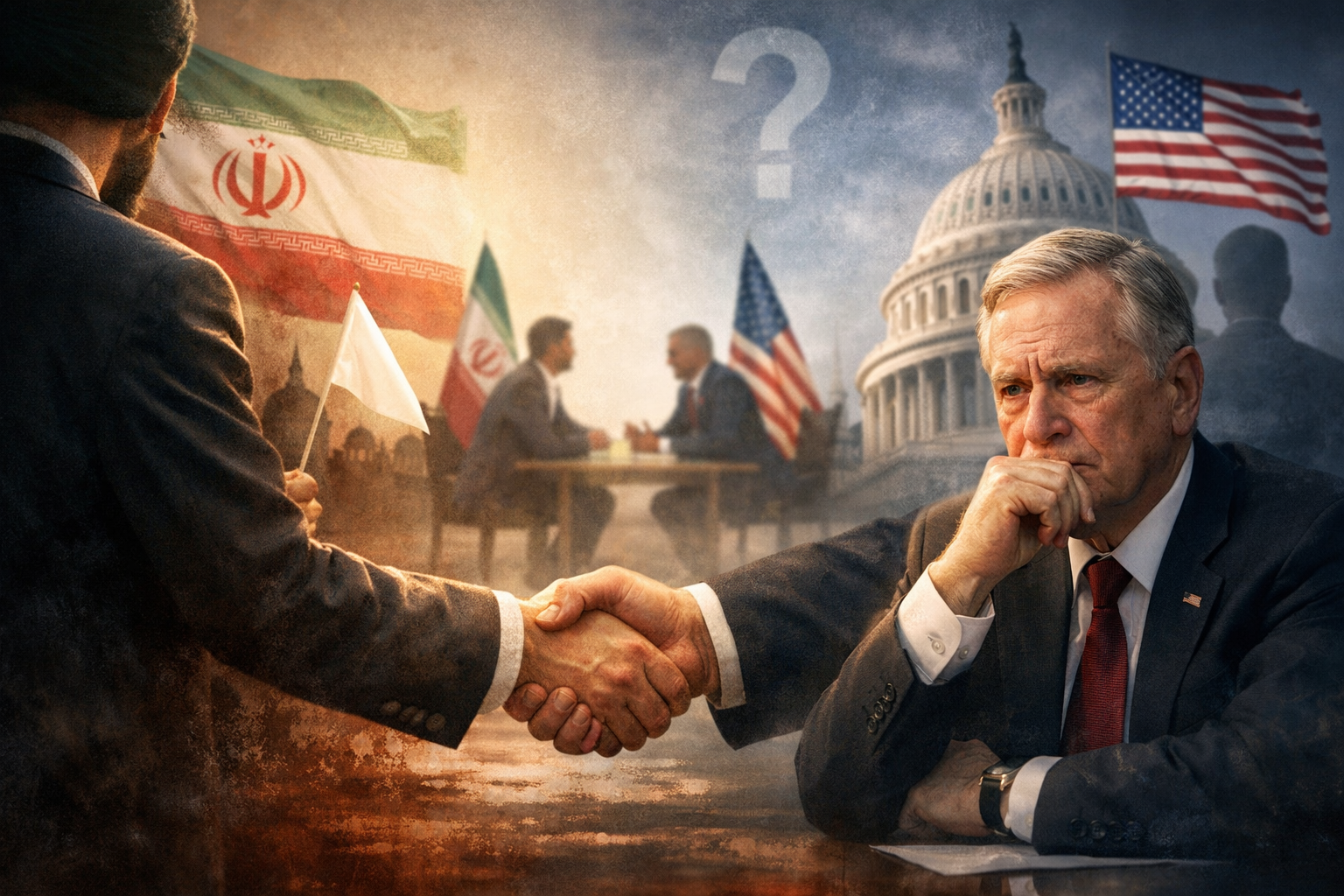
Iran has publicly refused to negotiate with US President Donald Trump to end the US and Israeli attacks. However, according to officials briefed on the matter, the day after the attacks began, operatives from Iran's Intelligence Ministry reportedly made an indirect approach to the CIA to discuss terms for ending the conflict, through the intermediary of another country's intelligence agency.
In Washington, the approach was seen as less than serious, and US officials were said to be skeptical that either the US or Iran were truly ready to take a short-term solution. This doubt was compounded by the chaotic state of Iran's leadership as the attacks continued, raising a fundamental question: whether any figure or power bloc remained authoritative enough to negotiate and enforce a ceasefire.
Israeli officials reportedly encouraged the United States to abandon the approach, as Israel desired a weeks-long campaign to maximally damage Iran's military capabilities and even open the door to the collapse of the government. At the same time, Trump signaled a shift in tone: after days of expressing openness to a deal, he wrote on social media that talks were now "too late," while complaining that many of the Iranian figures he had "known" and considered as leadership alternatives had been killed.
This narrative underscored the US policy dilemma: the objectives of the war and the form of Iran's post-conflict government. At the very least, the Trump camp is said to demand a halt or drastic curtailment of Iran's ballistic missile and nuclear programs and support for proxy groups like Hezbollah as a condition for halting the bombing, in exchange for space for the remaining leaders to maintain economic and political power. Trump also cited the "Venezuela" model as a reference, a scenario that emphasizes the election of a leader and a realignment of strategic interests.
However, various post-attack scenarios are considered fraught with uncertainty. US intelligence assessments reportedly examined potential leadership options, but without high confidence. Some policymakers even reportedly favored the emergence of a group from the Revolutionary Guard Corps as the most influential force, rather than an opposition takeover. Another risk raised is the potential for the government to lose control of peripheral areas or even collapse, opening the door to prolonged chaos and violence.
For the market, signals of immature negotiations amid escalating military operations are likely to maintain a geopolitical risk premium. Investors will be monitoring whether this communication channel develops into a credible ceasefire framework or dims as wartime objectives differ, the command structure in Tehran weakens, and uncertainty grows over who will be able to sign and enforce the agreement.
Source: Newsmaker.id