Hormuz Nearly Paralyzed, Energy Risks Soar
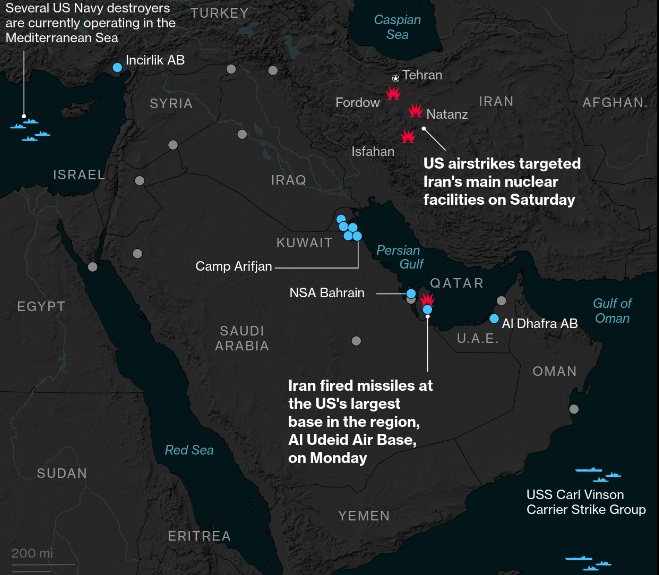
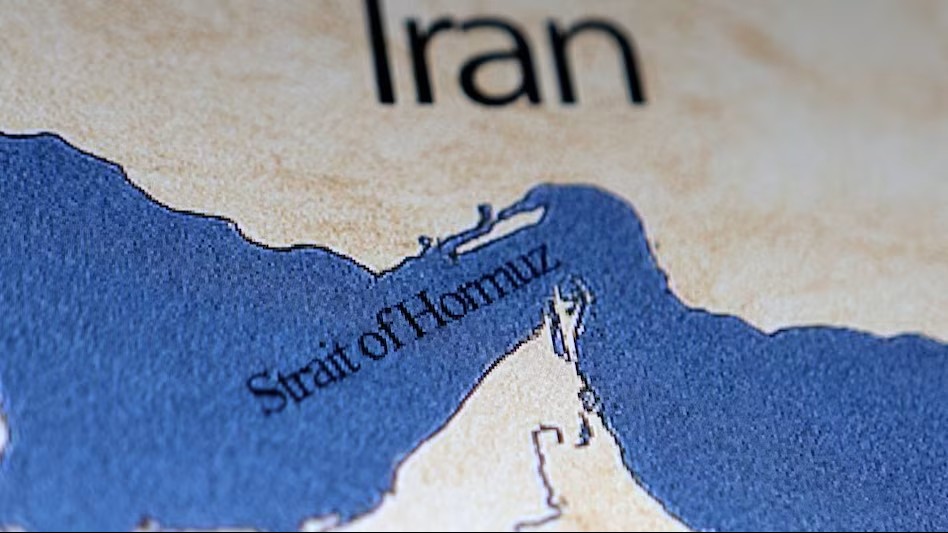
Shipping traffic through the Strait of Hormuz was seen virtually at a standstill on Monday (July 20th). This occurred after Iran targeted several vessels in the narrow waterway, while the United States continued its wave of attacks against Iran.
Based on ship tracking data, only a few vessels appeared to be attempting to pass through Hormuz. One such vessel, a Marshall Islands-flagged bulk carrier, turned off its transponder as it approached the strait from the Persian Gulf towards an area near Oman.
Tensions escalated after Iran's Islamic Revolutionary Guard Corps (IRGC) reported that four vessels had turned off their transponders and were attempting to pass through Hormuz via a route deemed unsafe. Iranian media reported that two vessels had experienced incidents and were stopped after ignoring warnings.
UK Maritime Trade Operations also received reports of an incident northwest of Kumzar, Oman. A vessel reportedly caught fire after being hit by an unidentified projectile. The vessel has not been extinguished and is drifting uncontrollably.
This situation raises concerns about the safety of vessels transiting Hormuz, especially those moving near the coast of Oman with their transponders turned off. Iran itself is said to have approved another route further north, closer to its coastline.
Impacting the market, disruptions in the Strait of Hormuz could disrupt global energy flows, including oil and LNG from the Persian Gulf region. European oil and gas prices briefly surged due to market concerns about increasing supply risks, although some of the gains have since been pared back. (arl)
Source: Newsmaker.id