Trump Announces "Help" in Hormuz Traffic, Markets Heave
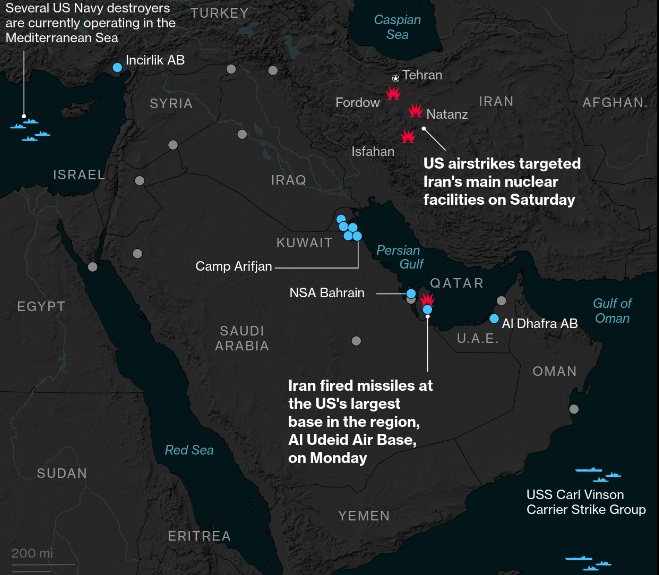
The United States and Iran reached a two-week ceasefire agreement on Tuesday night, providing negotiating space and easing market concerns about energy supply disruptions from the Strait of Hormuz. President Donald Trump said the U.S. would help ease the backlog of tanker traffic in the strait after the agreement was reached ahead of his previously set deadline.
Trump said the agreement came after communications with Pakistani leaders, who acted as mediators. He also stated that Washington accepted Iran's 10-point proposal as a basis for further talks, while asserting that U.S. military operations had achieved the necessary objectives, allowing the two-week period to finalize the agreement.
From Iran, Foreign Minister Abbas Araghchi said Tehran would halt defensive operations and allow "safe passage" through Hormuz, provided that shipping would be coordinated with the Iranian military. Pakistani Prime Minister Shehbaz Sharif invited U.S. and Iranian officials to Islamabad for talks on Friday. Israel expressed support for the ceasefire, although the statement did not address the dynamics of the parallel conflict in Lebanon.
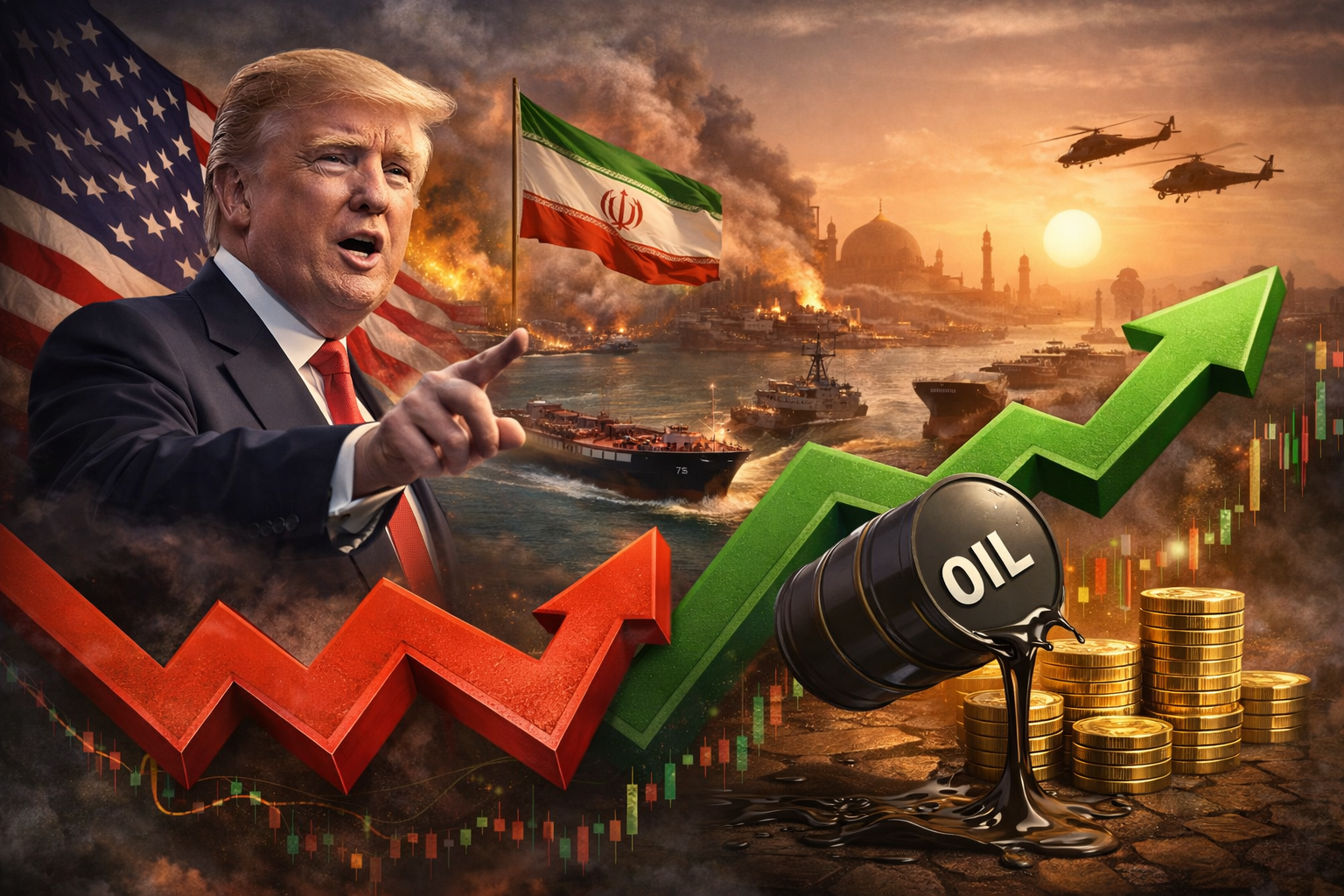
Market reactions were immediate in energy and risk assets. Brent fell sharply, breaking below US$100 per barrel, although still above pre-war levels after rallying during the effective closure of Hormuz. Stocks in several Asian countries rose, as did European stocks and US futures, as market participants assessed the risks of energy disruptions and temporarily easing inflationary pressures, particularly for countries importing oil and gas from the Gulf region.
Looking ahead, the market will monitor the implementation of the Hormuz reopening, the shipping coordination mechanism with the Iranian military, the schedule and outcome of the talks in Islamabad, and whether the ceasefire holds for two weeks and leads to a permanent agreement.
Source: Newsmaker.id