Why Other Countries Follow US Interest Rate Hikes
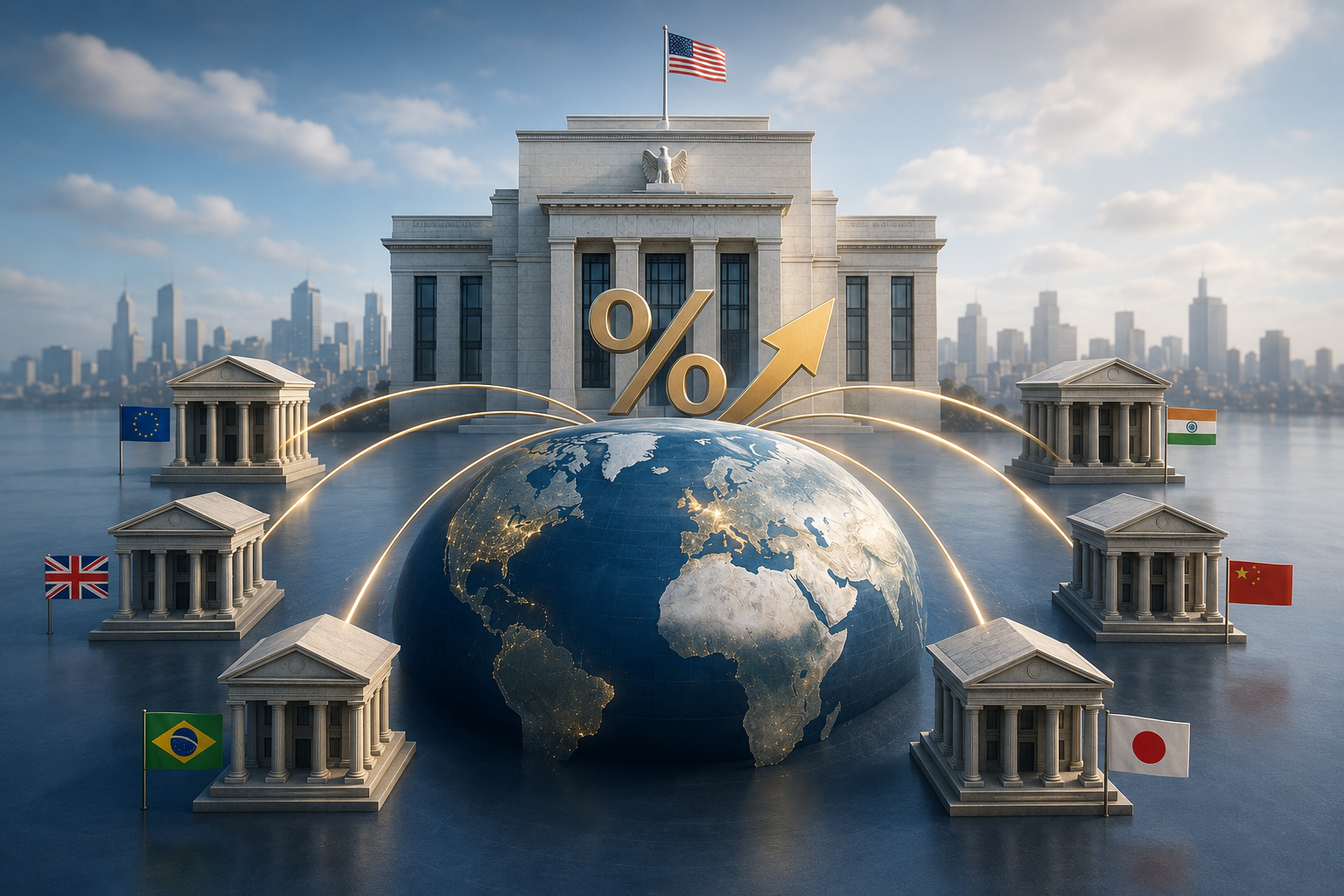
Interest rate hikes by the United States Federal Reserve (The Fed) not only impact the domestic economy but also have significant global consequences. Many central banks around the world often adjust their interest rates in response to moves by The Fed. This phenomenon occurs due to several key mechanisms related to capital flows, exchange rates, inflation, and overall economic stability.
1. Influence of the US Dollar as a Global Reserve Currency
The US dollar serves as the global reserve currency and a benchmark in international trade. When The Fed raises rates, US bond yields increase, attracting global investors to dollar-denominated assets. This strengthens the dollar, while other currencies may weaken if their central banks do not adjust rates. A weaker local currency can lead to imported inflation, prompting central banks to raise interest rates to stabilize exchange rates.
2. Maintaining Exchange Rate Stability
Countries with currencies sensitive to the dollar often raise interest rates to prevent depreciation. Local currency depreciation can increase import costs, reduce consumer purchasing power, and create market uncertainty. Adjusting local rates helps maintain economic stability and reduce exchange rate volatility.
3. Controlling Imported Inflation
A stronger dollar due to US rate hikes raises the cost of imported goods, particularly energy and raw materials. Countries that do not raise rates risk higher inflation. By increasing interest rates, central banks can contain imported inflation and ease the burden on businesses and consumers.
4. Preserving Capital Inflows
Global investors seek the highest returns. If US rates rise while other countries’ rates remain low, capital may flow toward the US, reducing investment and weakening local currencies elsewhere. Raising rates helps countries remain attractive to investors and prevents capital flight.
5. Psychological and Global Coordination Effects
The Fed is often a reference point for other central banks. US rate hikes signal global economic conditions, including inflation and growth risks. Other central banks adjust their policies to maintain domestic stability and manage global economic risks.
Conclusion
US interest rate hikes have widespread effects because the dollar serves as a global reserve currency and a primary instrument in international trade. Other countries follow Fed policy to maintain exchange rate stability, control imported inflation, preserve capital inflows, and mitigate global economic risks. This phenomenon highlights the strong interconnectedness of the US economy with the rest of the world and how a single country’s monetary policy can influence global markets significantly.
Source : Newsmaker.id